

Our second-annual trip to Acadia was designed with care by sixth grade co-teachers Cindy and Chris to meet three overarching objectives:
1) Bring the grade 6 classroom science curriculum learning to life
2) Connect to our work in humanities class with writing, synthesizing, and creative reflection (before, during, and after)
3) Foster moments for community, camaraderie, and shared memories…
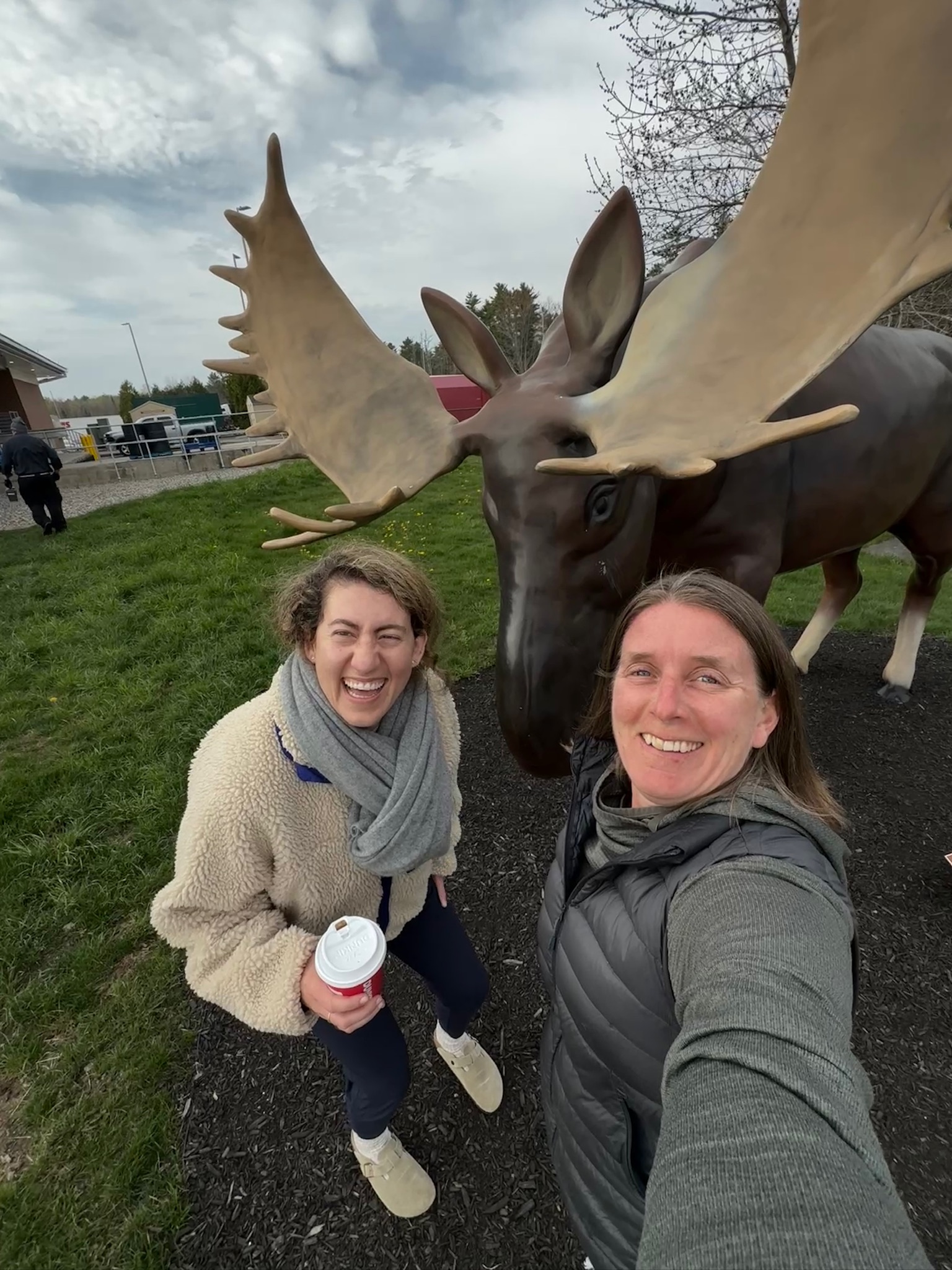
for chaperones, too.
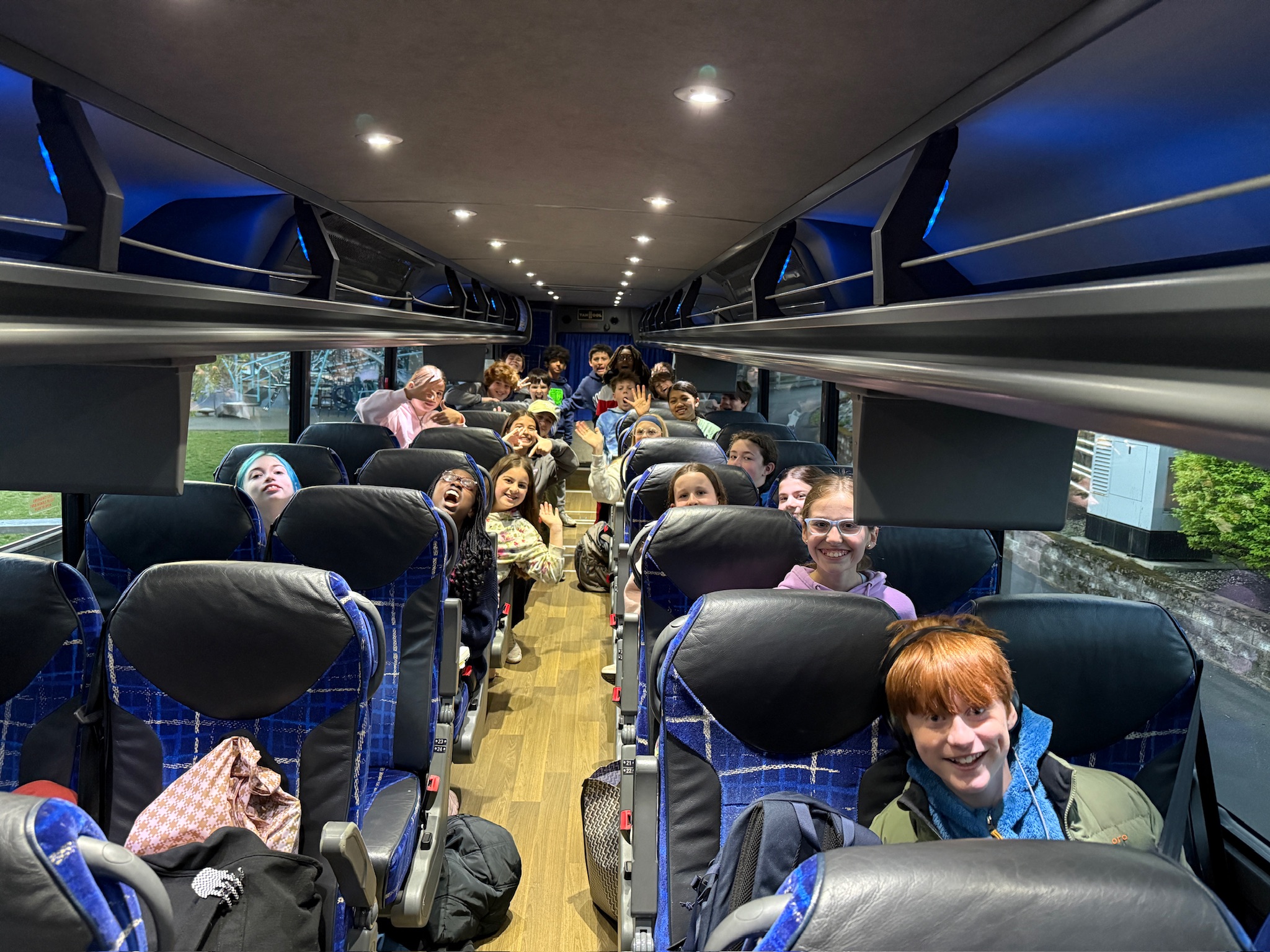
We began the day bright and early, with a 5:15am meet up time at CRS. Our students arrived prepared and excited. We boarded our bus and began the trip to Maine!
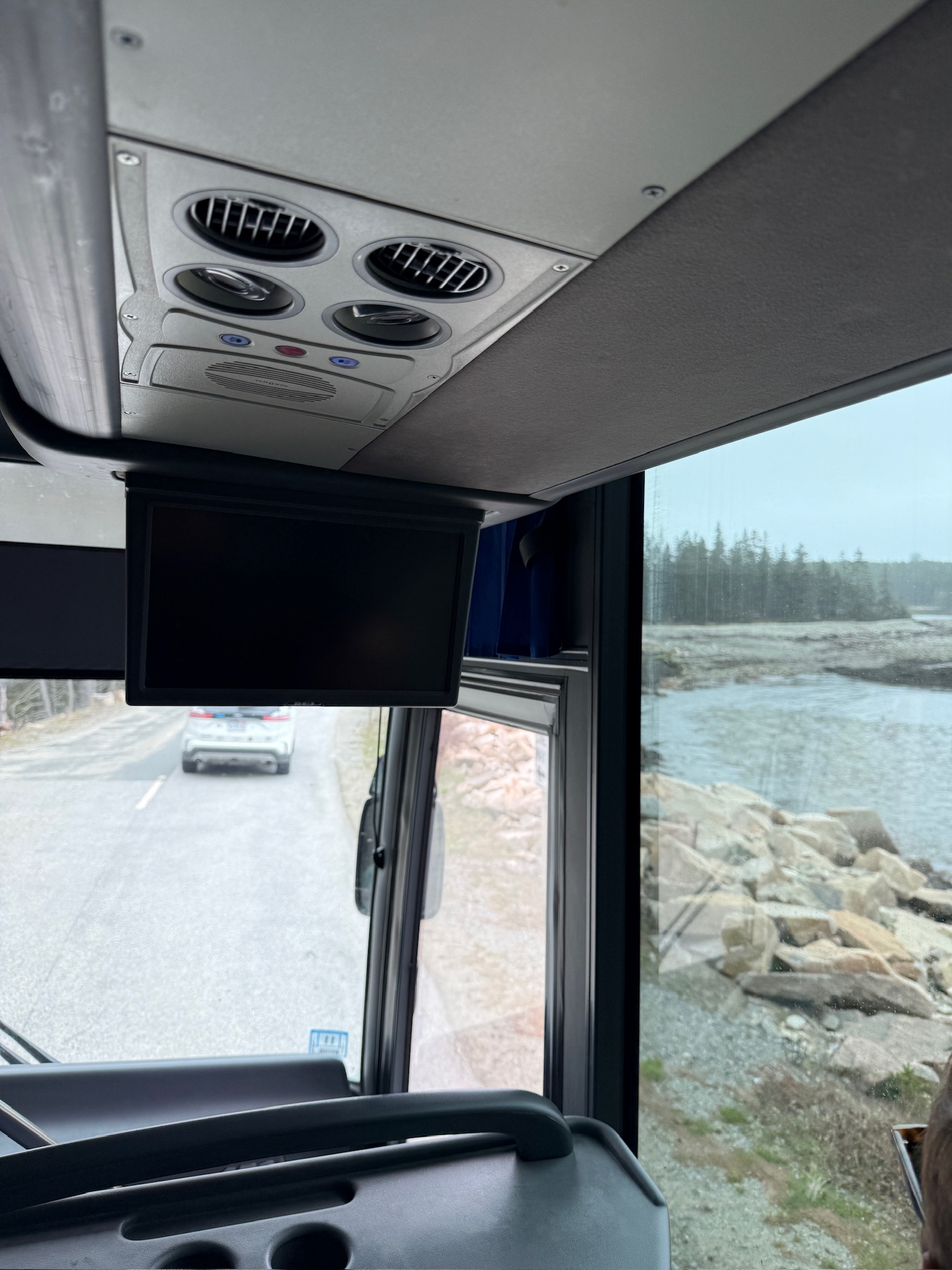
We had an enjoyable bus ride and arrived mid-morning to the Schoodic Education Adventure program located on the Schoodic Peninsula in Acadia National Park.
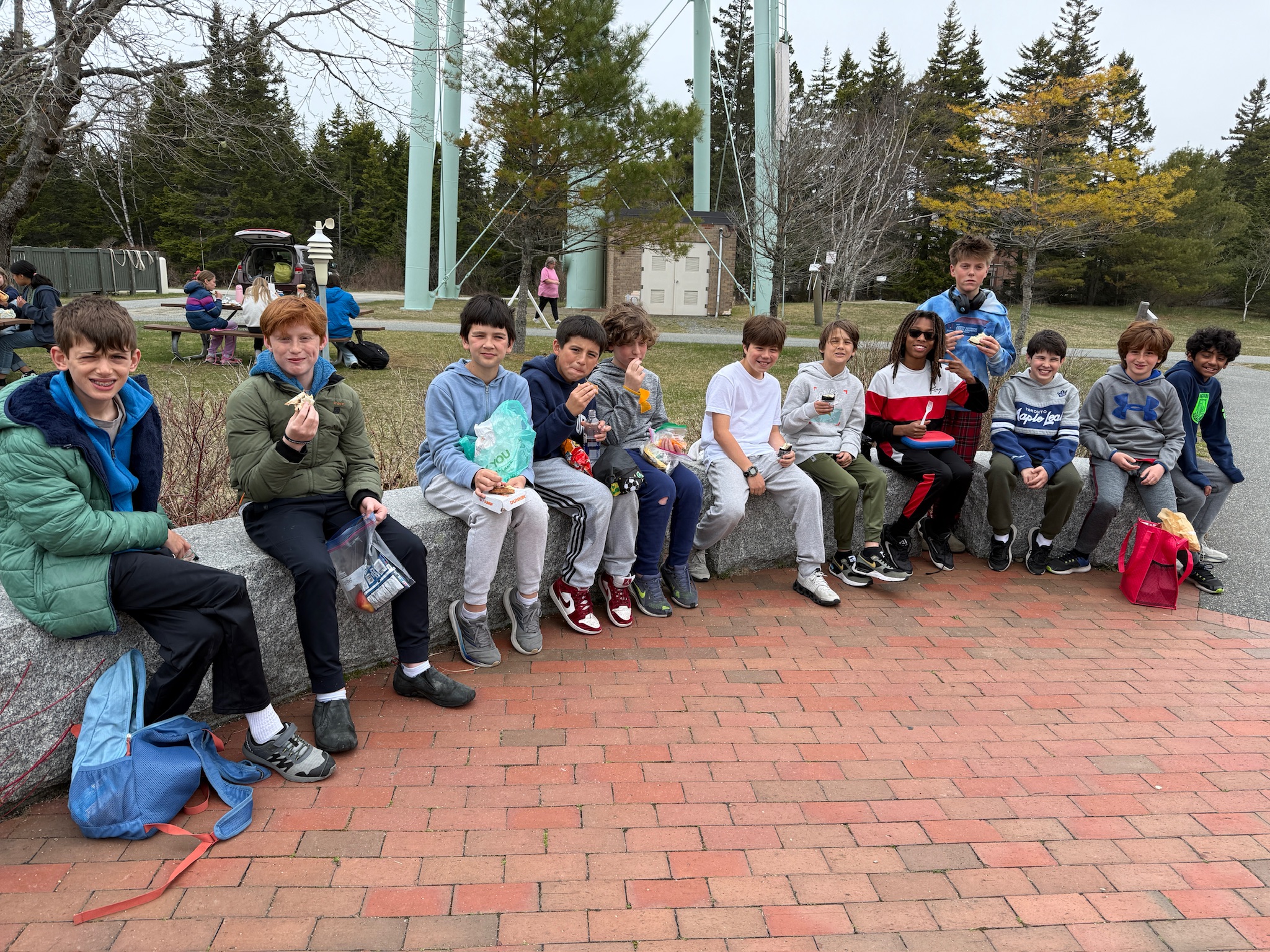
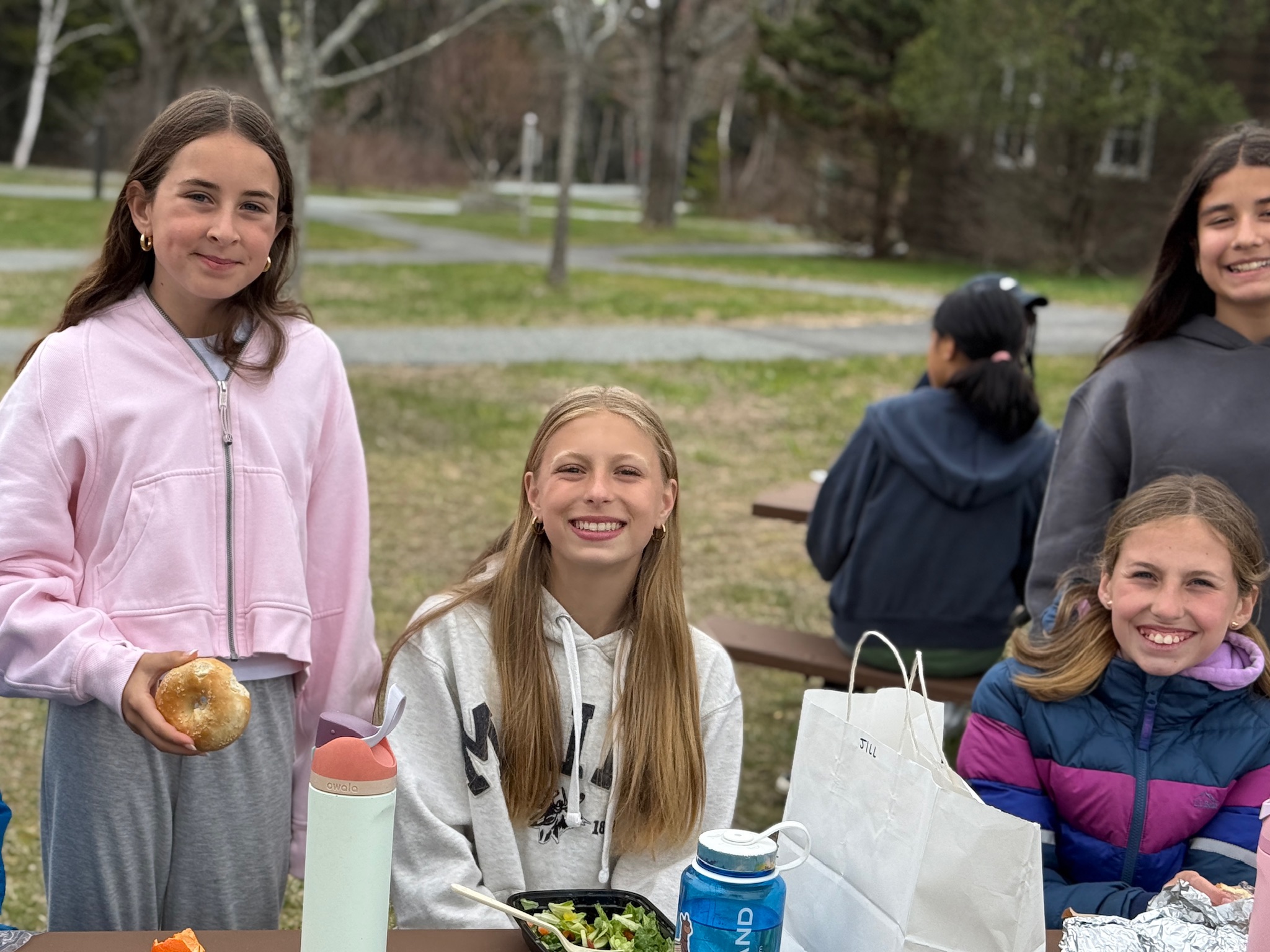
We had worked up an appetite on the journey and enjoyed our lunch upon arrival.
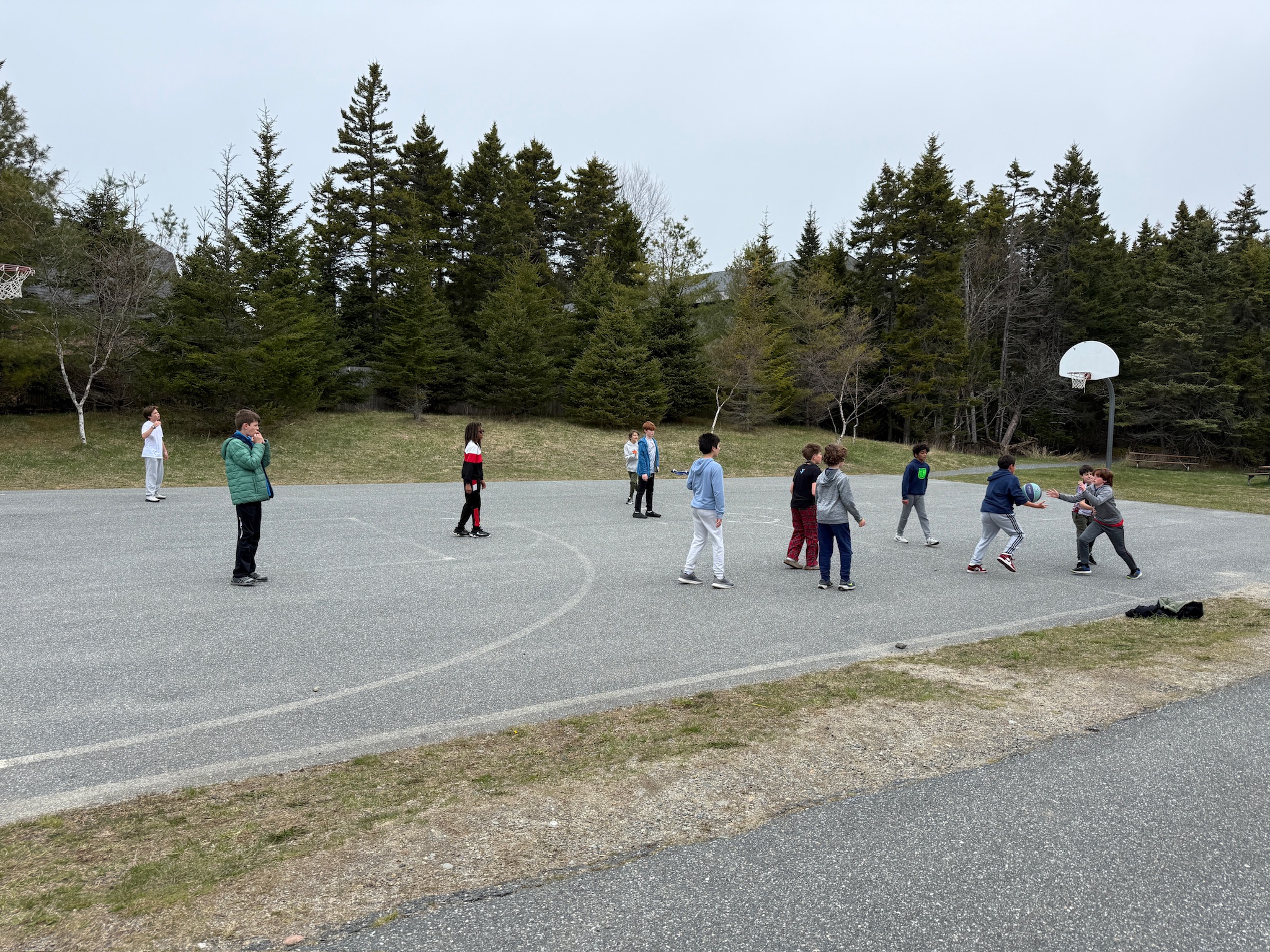
And took a few minutes to stretch our legs on the basketball court.
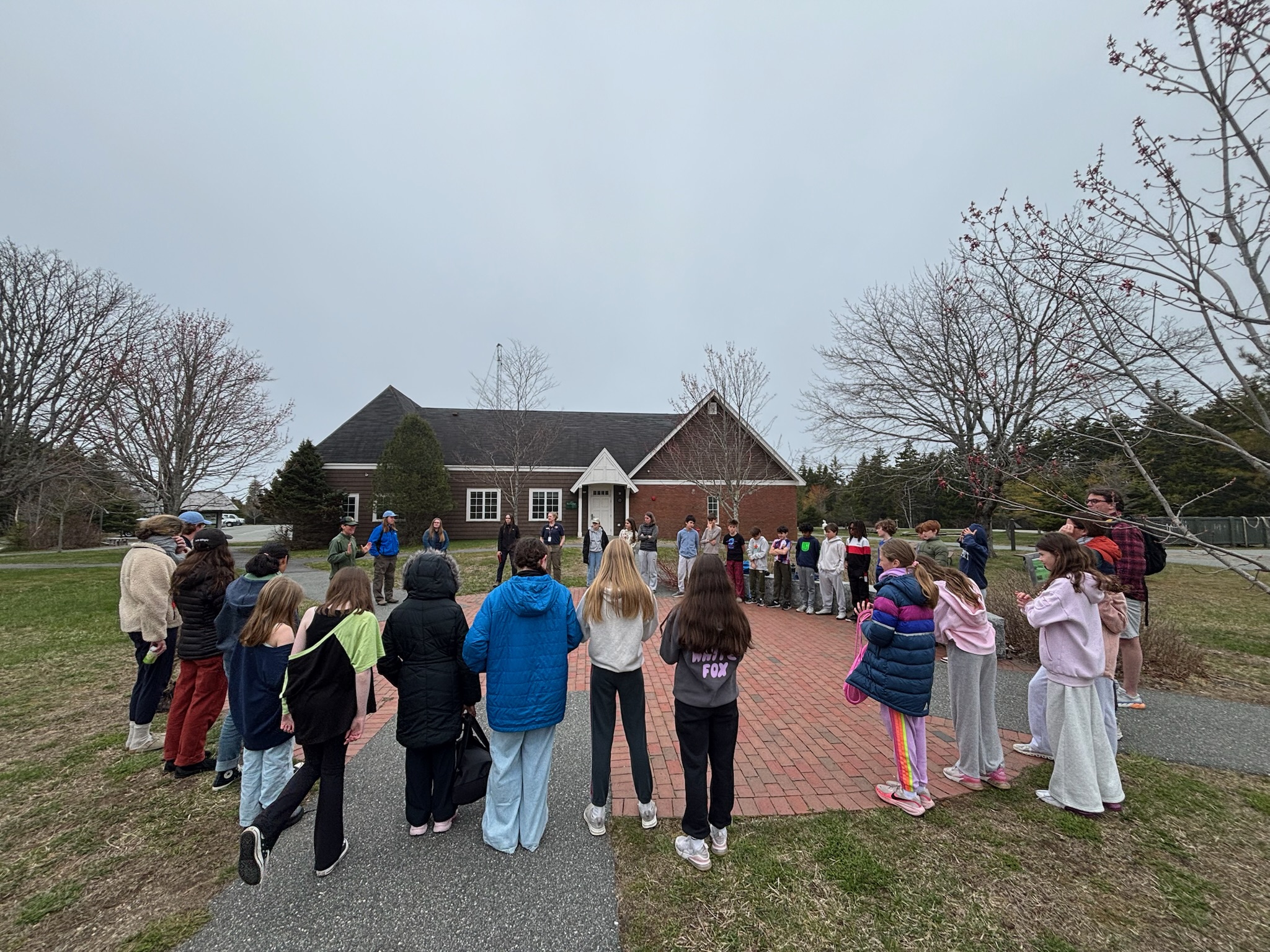
We dropped our bags in our rooms in the bunk house and headed out to learn more about the program from our park ranger, Alexa.
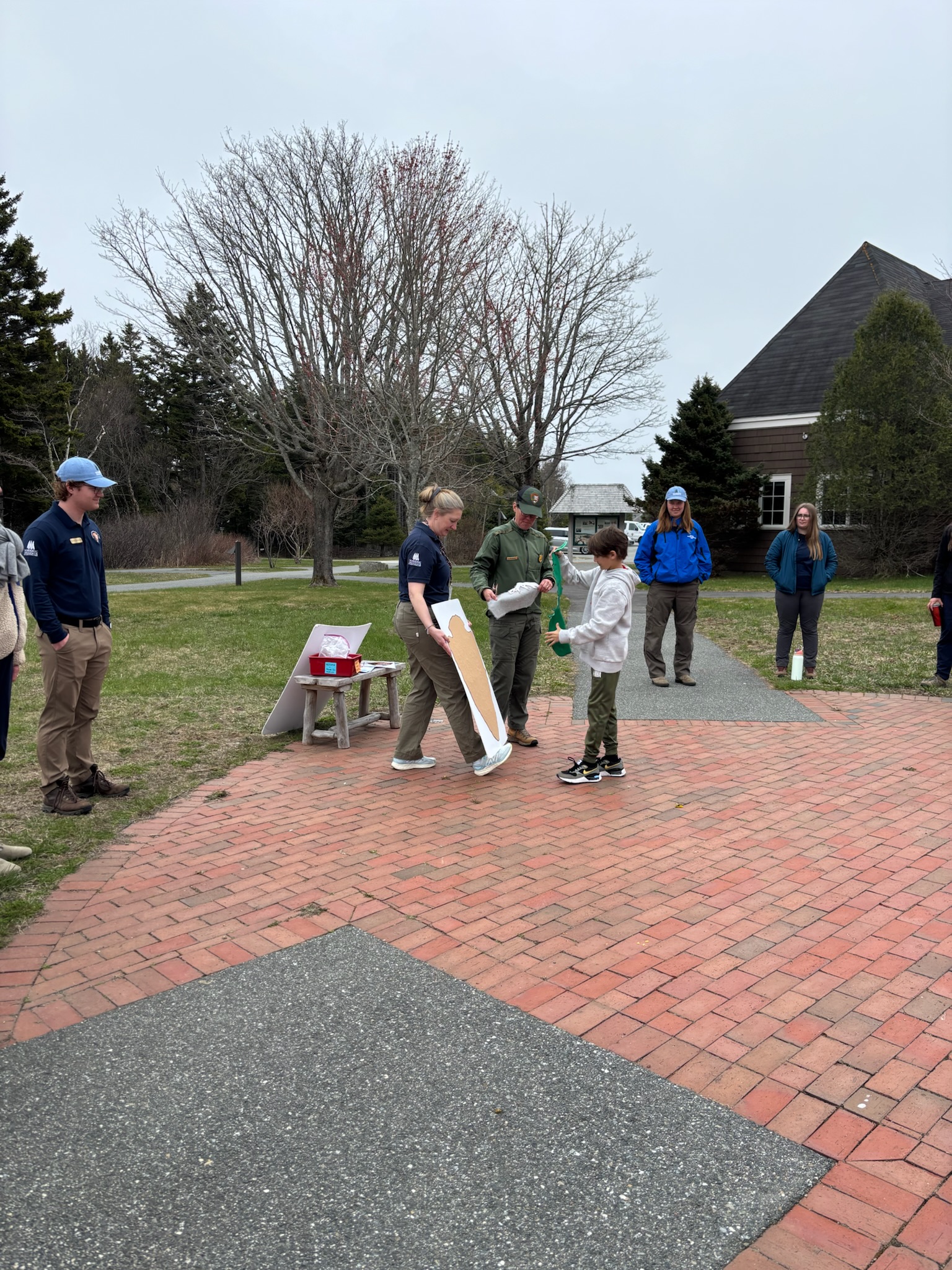
Alexa will be guiding us through our trip and exploration during our time at SEA. She shared with us about the Acadia land acknowledgement and the Leave No Trace principles, highlighting the sixth principle about protecting animals.
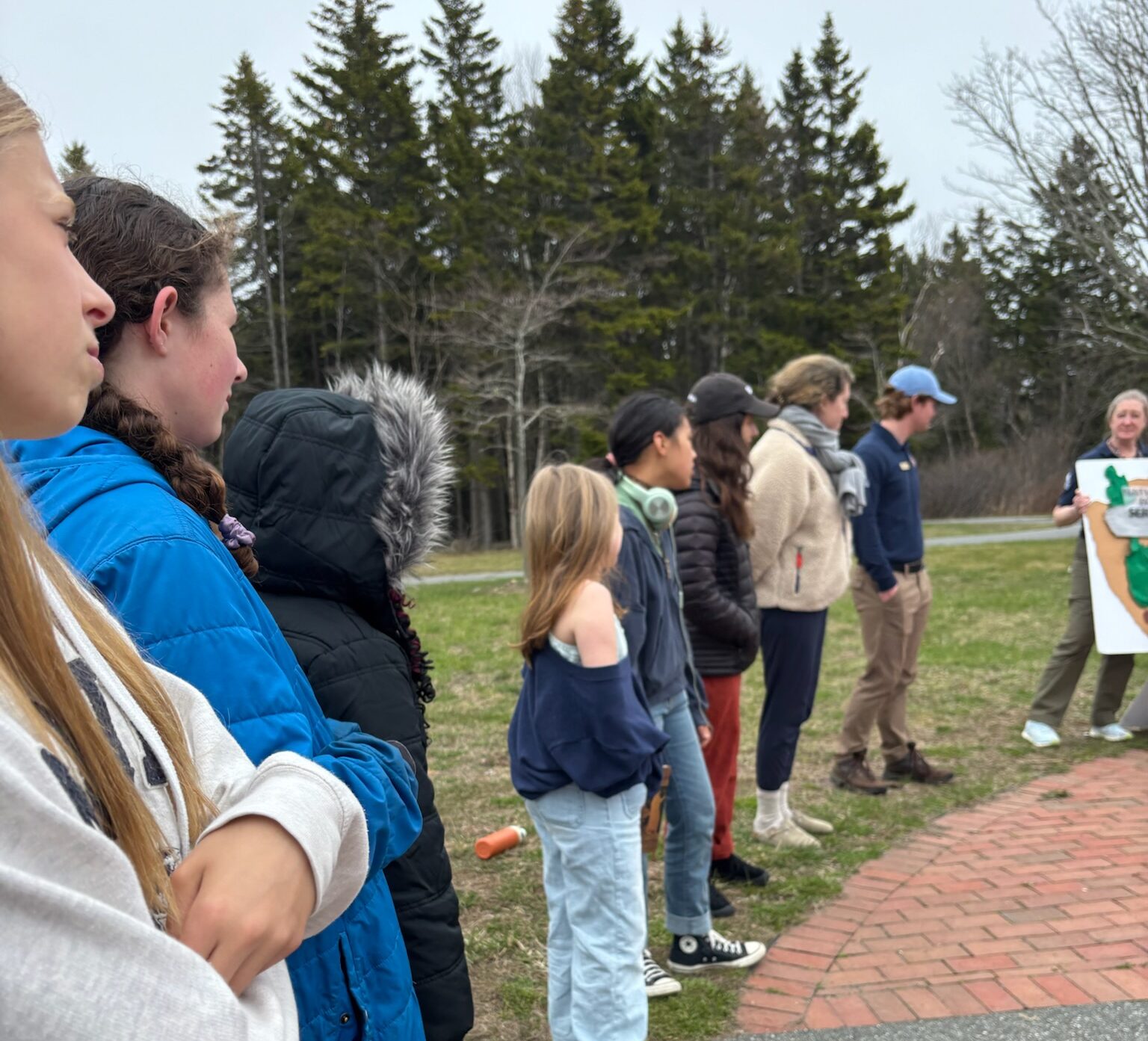
Students had time to ask Alexa their questions and learn more about the mission of the Schoodic Institute.
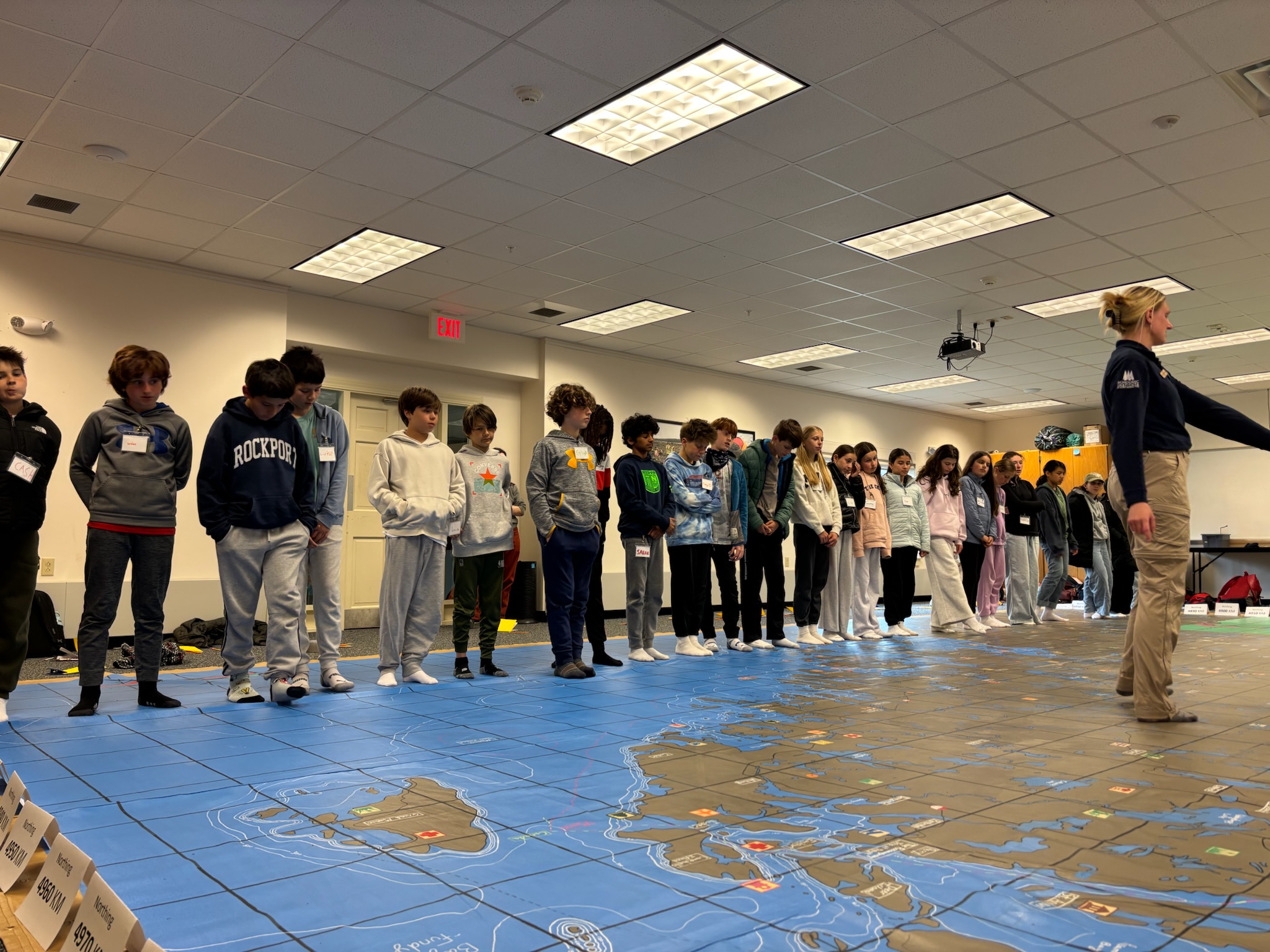
We then dove into our first activity: Map Mystery!
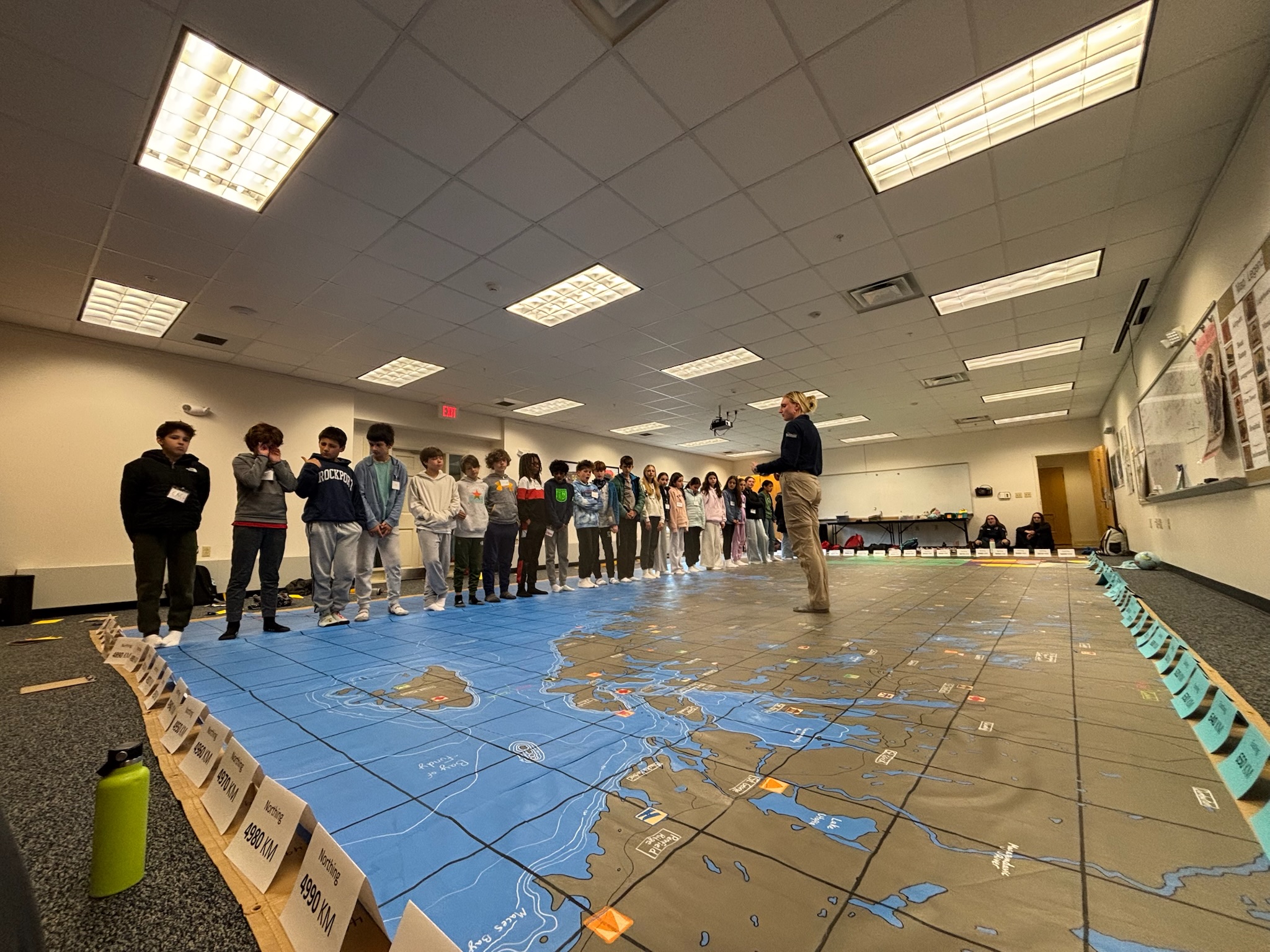
The activity introduced students to metric mapping and put our skills to the test as we plotted resource site coordinates on a giant 30-foot floor map. We even learned where the Schoodic Institute is in proximity to the state of Maine.
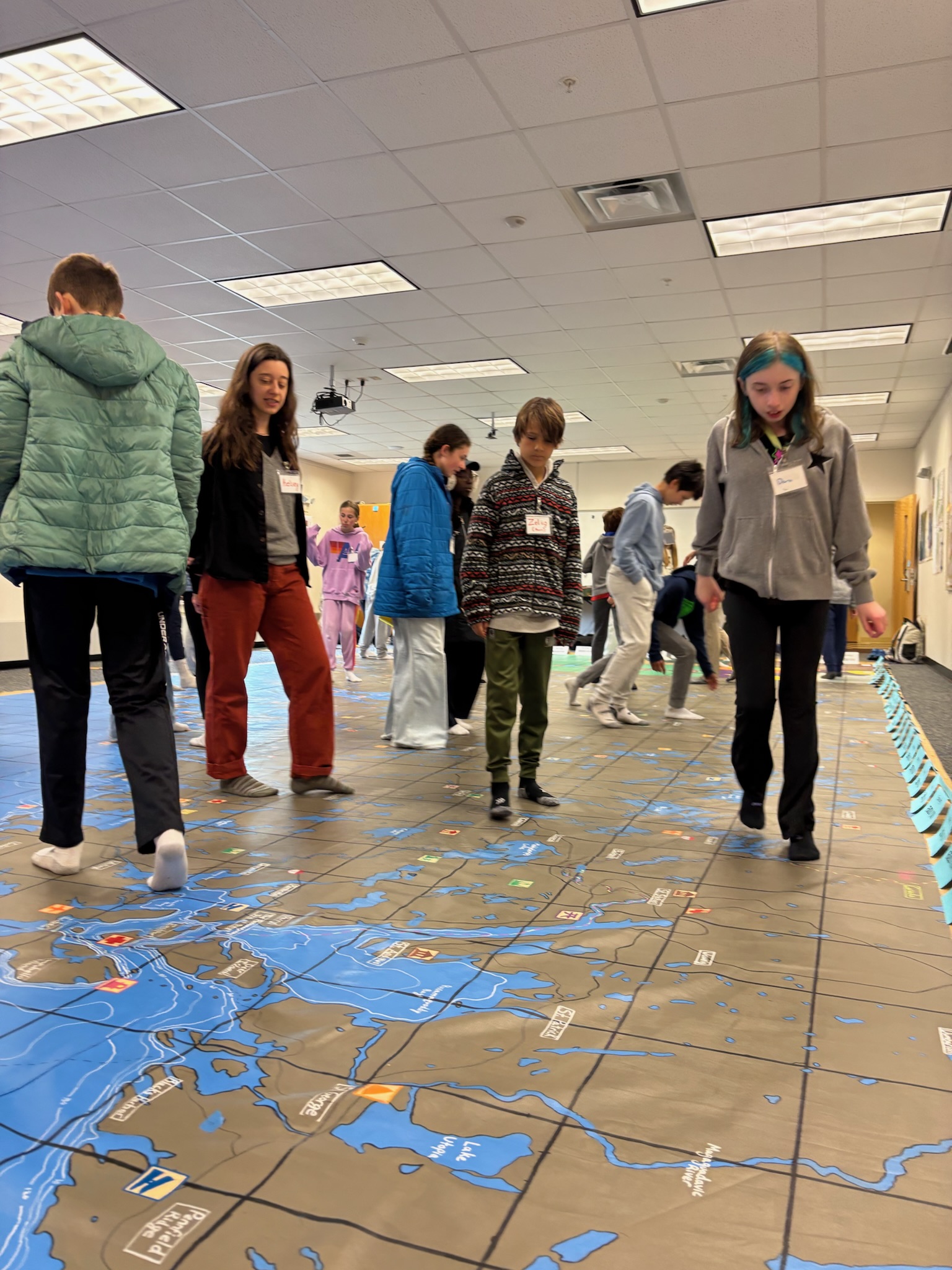
Through a series of clues and props, students combined habitat and historic site information and discussed the current resource protection issues they discovered.
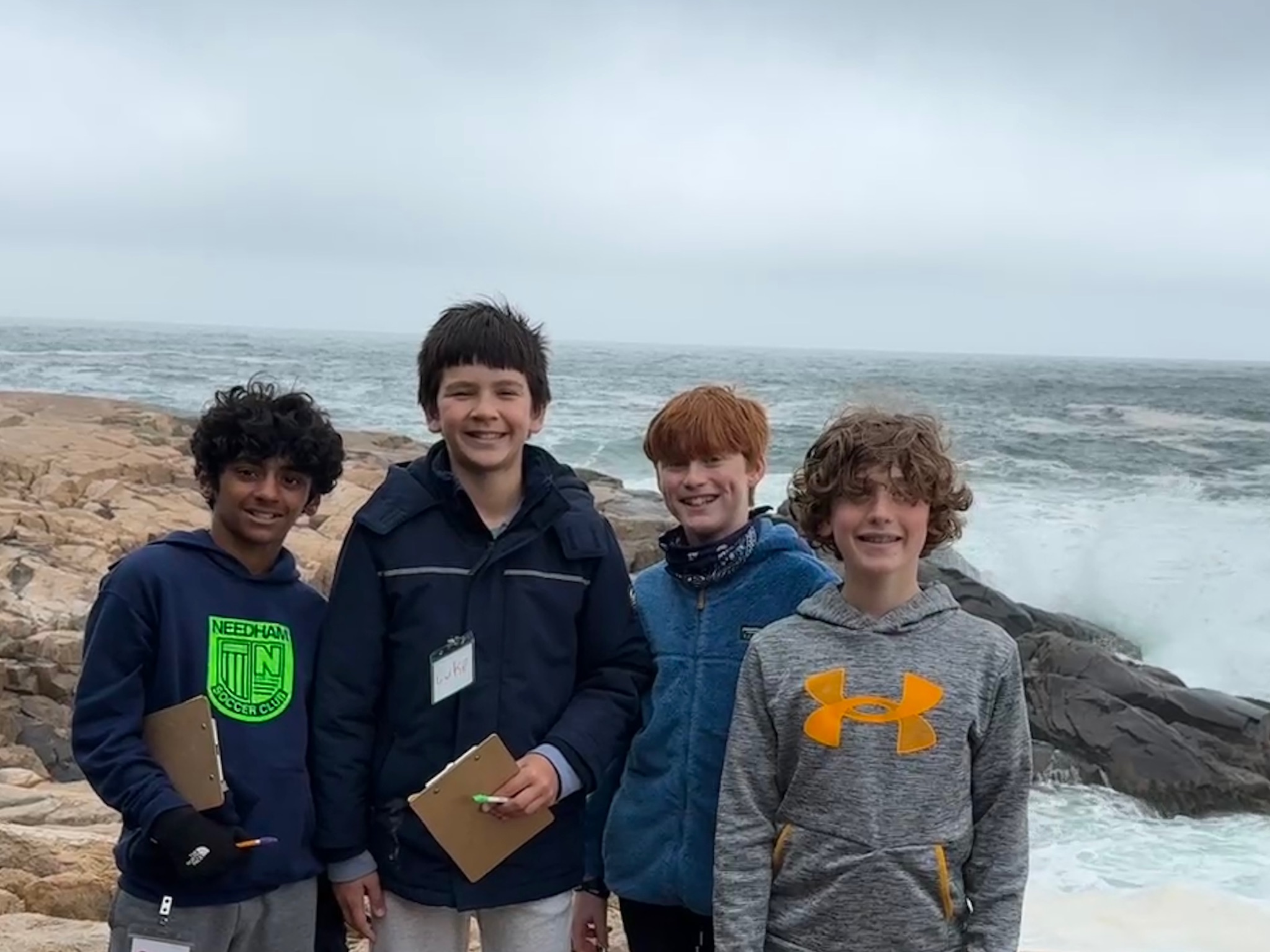
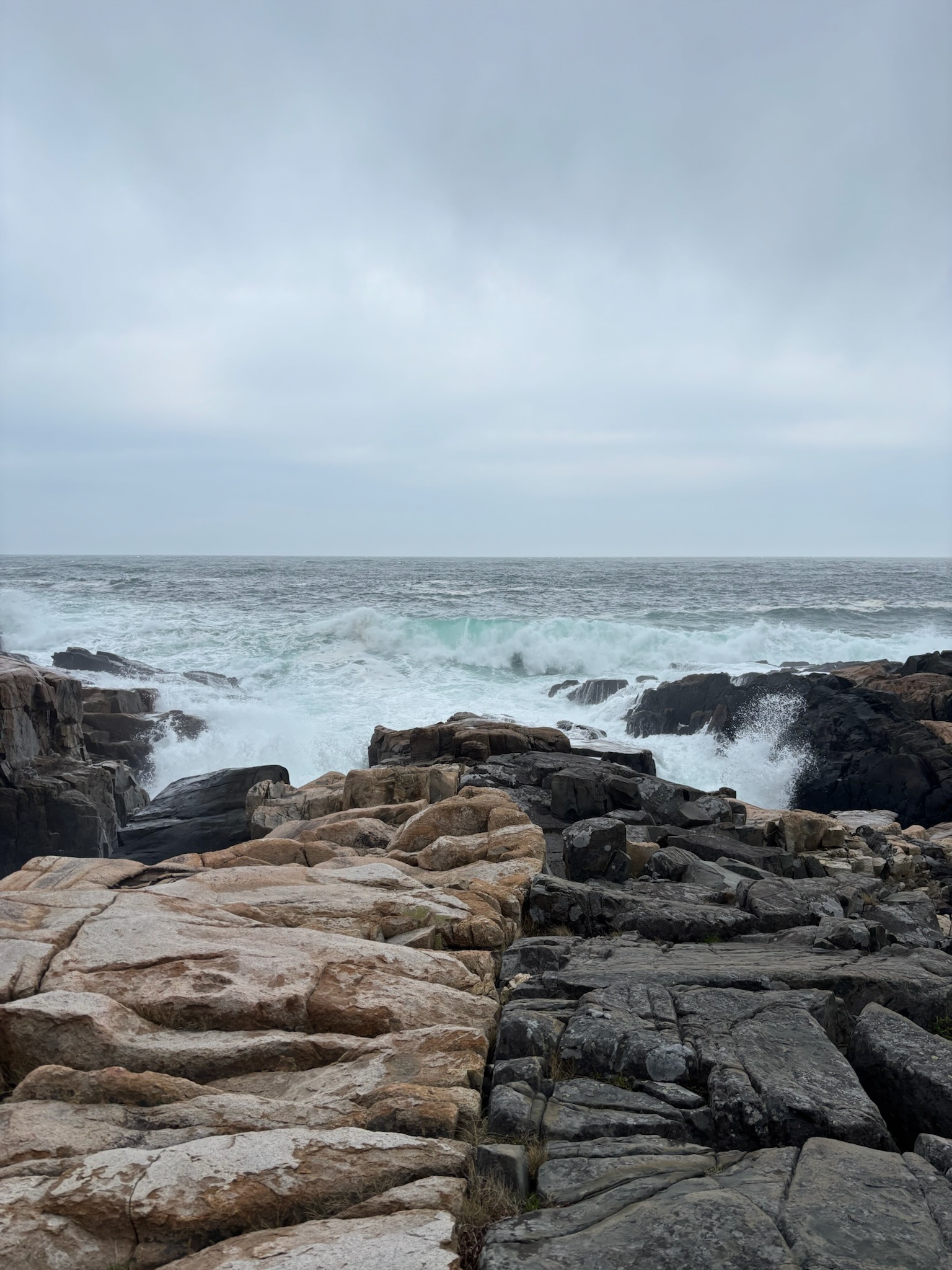
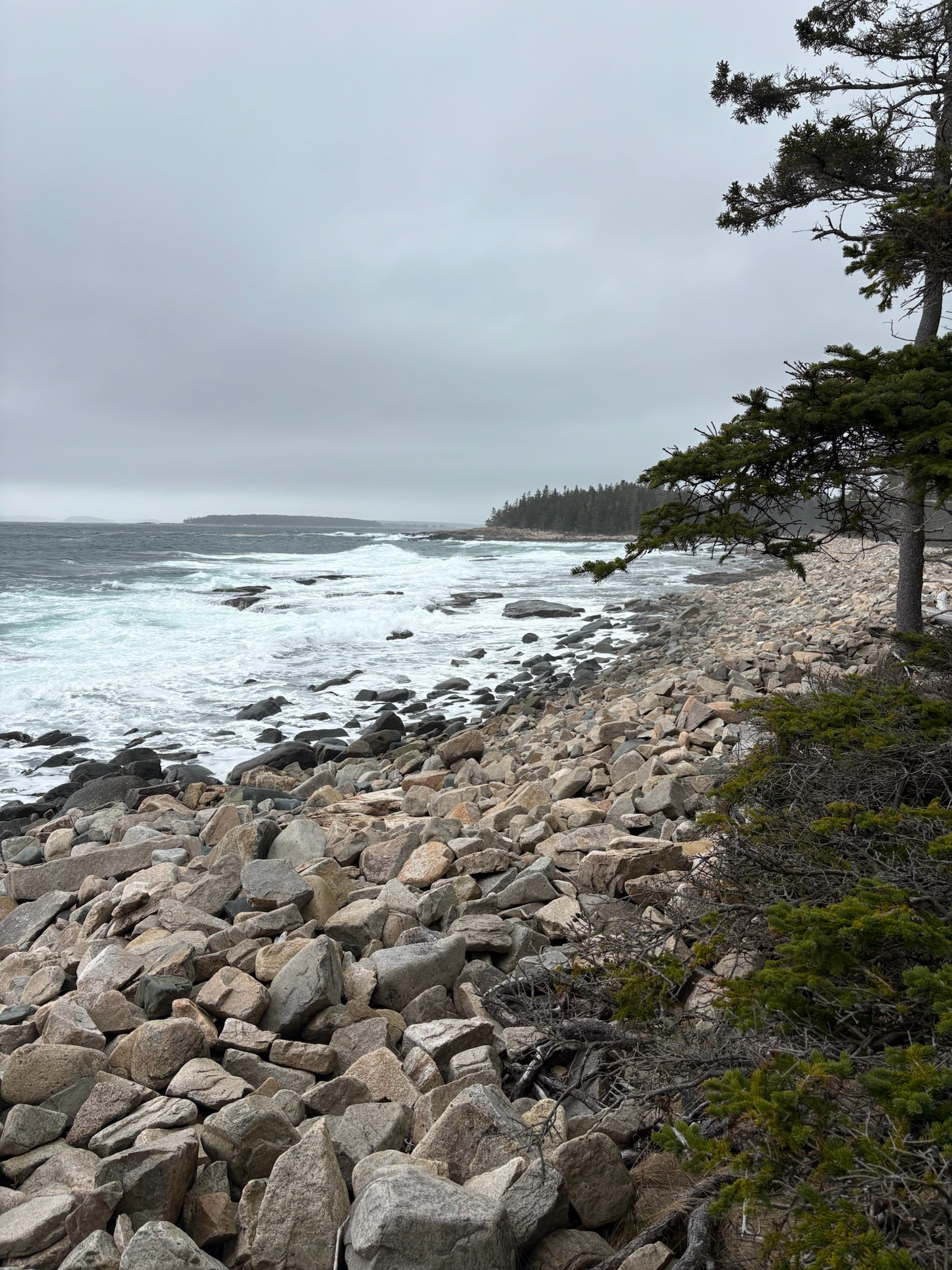
After we solved our map project, we ventured out on a geology hike.
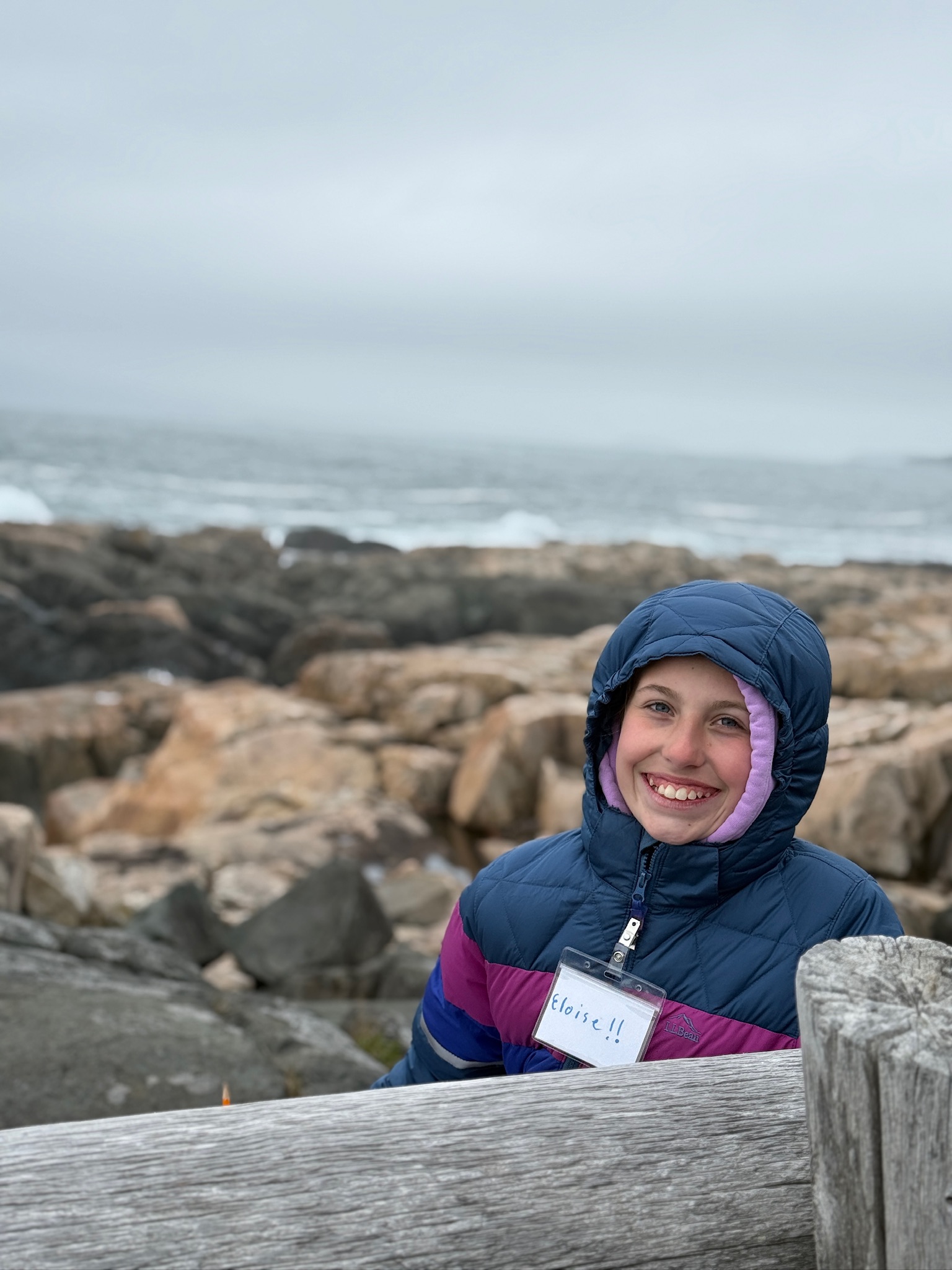
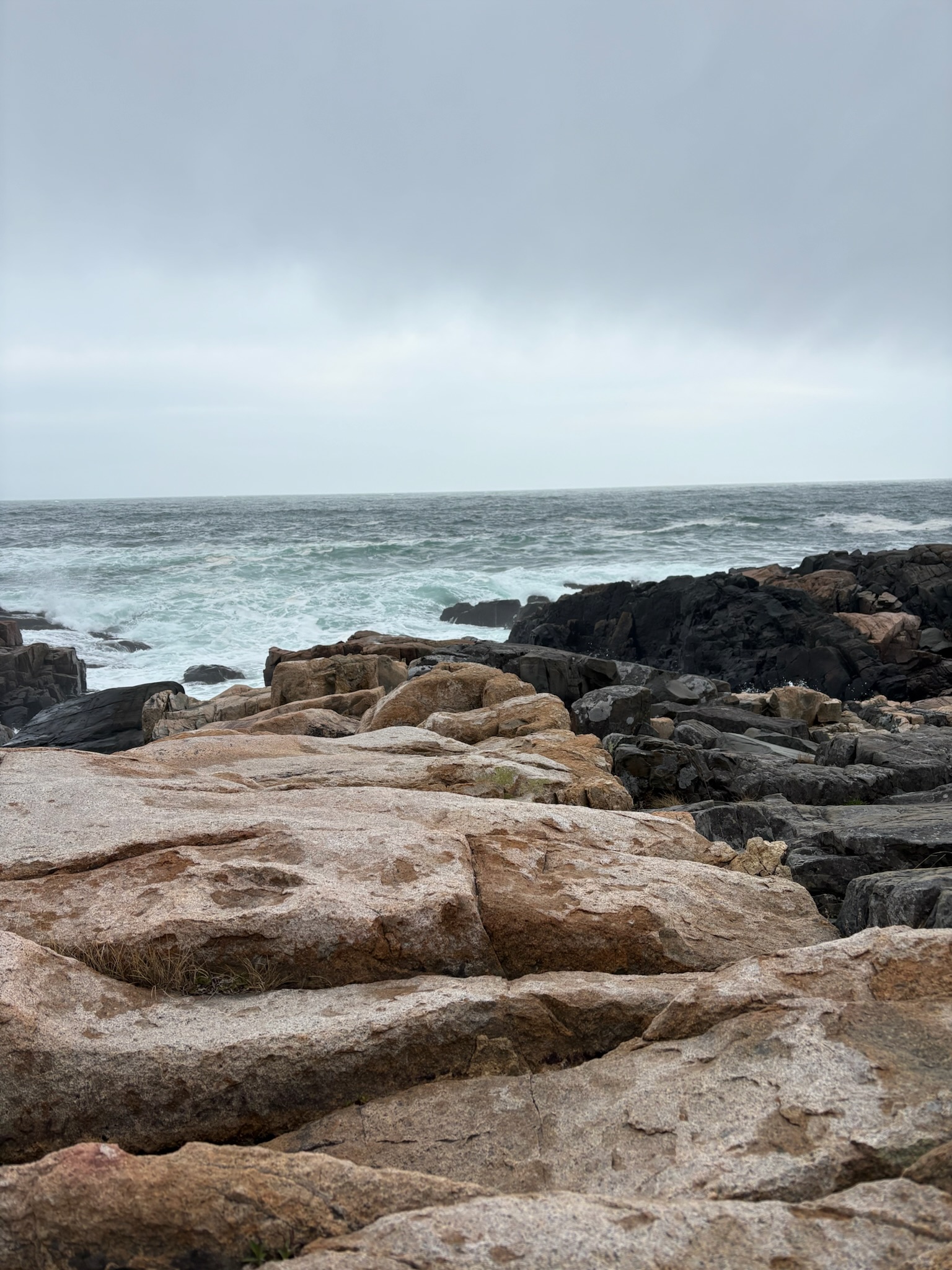
This 1 mile hike focused on basic geology content while exploring excellent examples in the field.
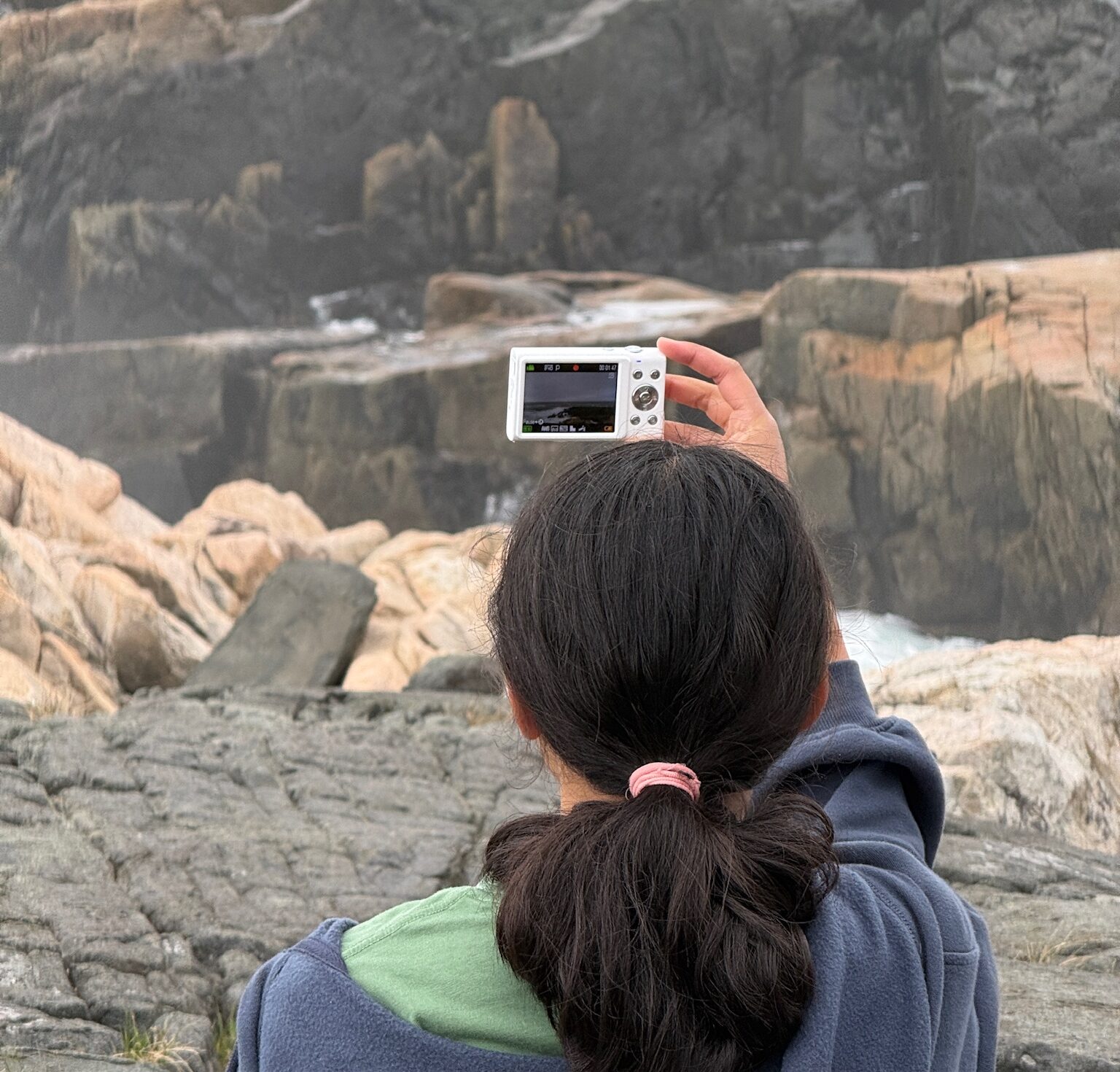
We discussed the rock cycle, deposition and erosion, sorting by wave energy, shoreline processes, and glaciation.
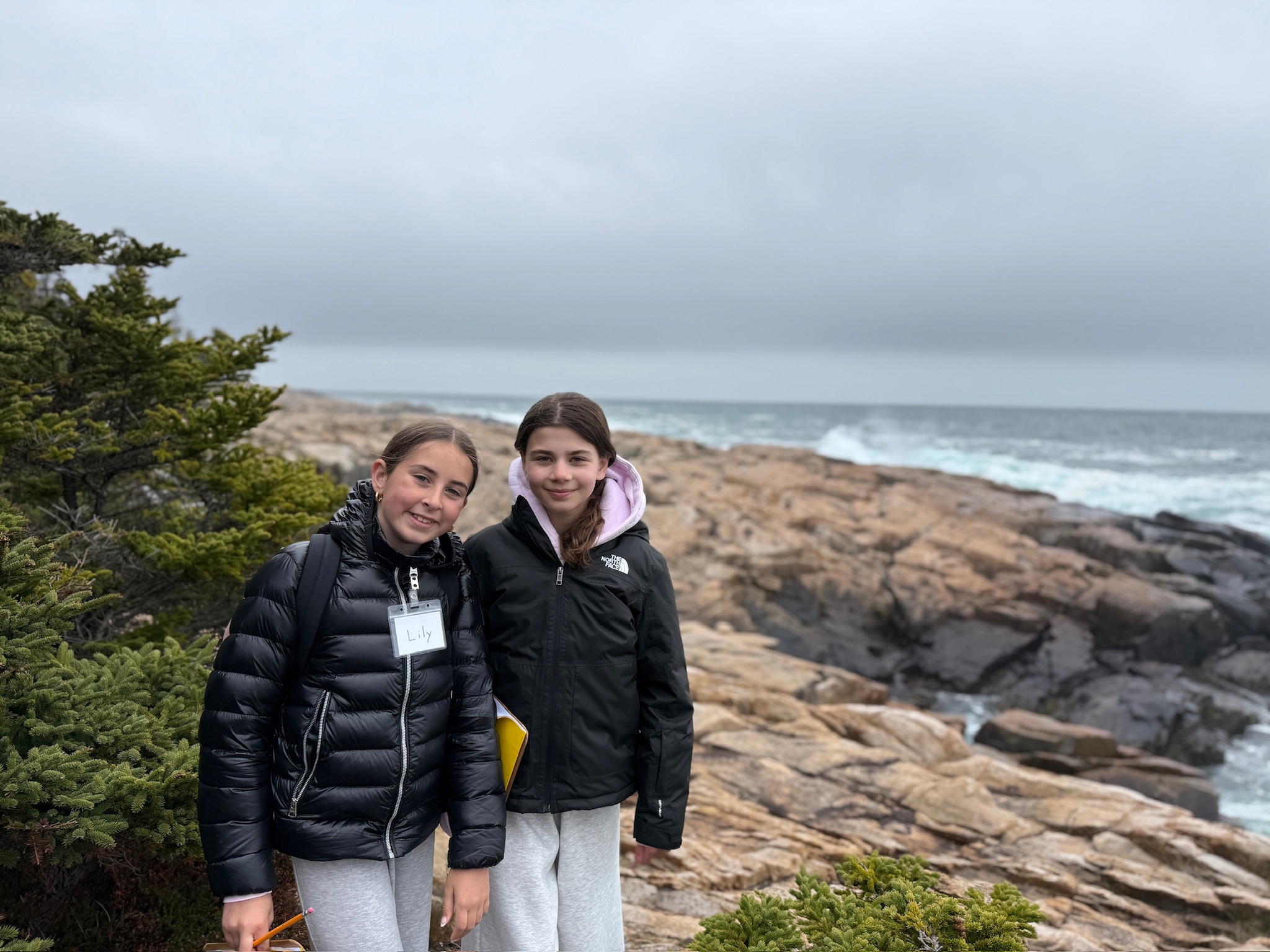
Throughout our trip, students are recording observations, location coordinates, things they’ve learned, diagrams, sketches, and measurements in their science journals.
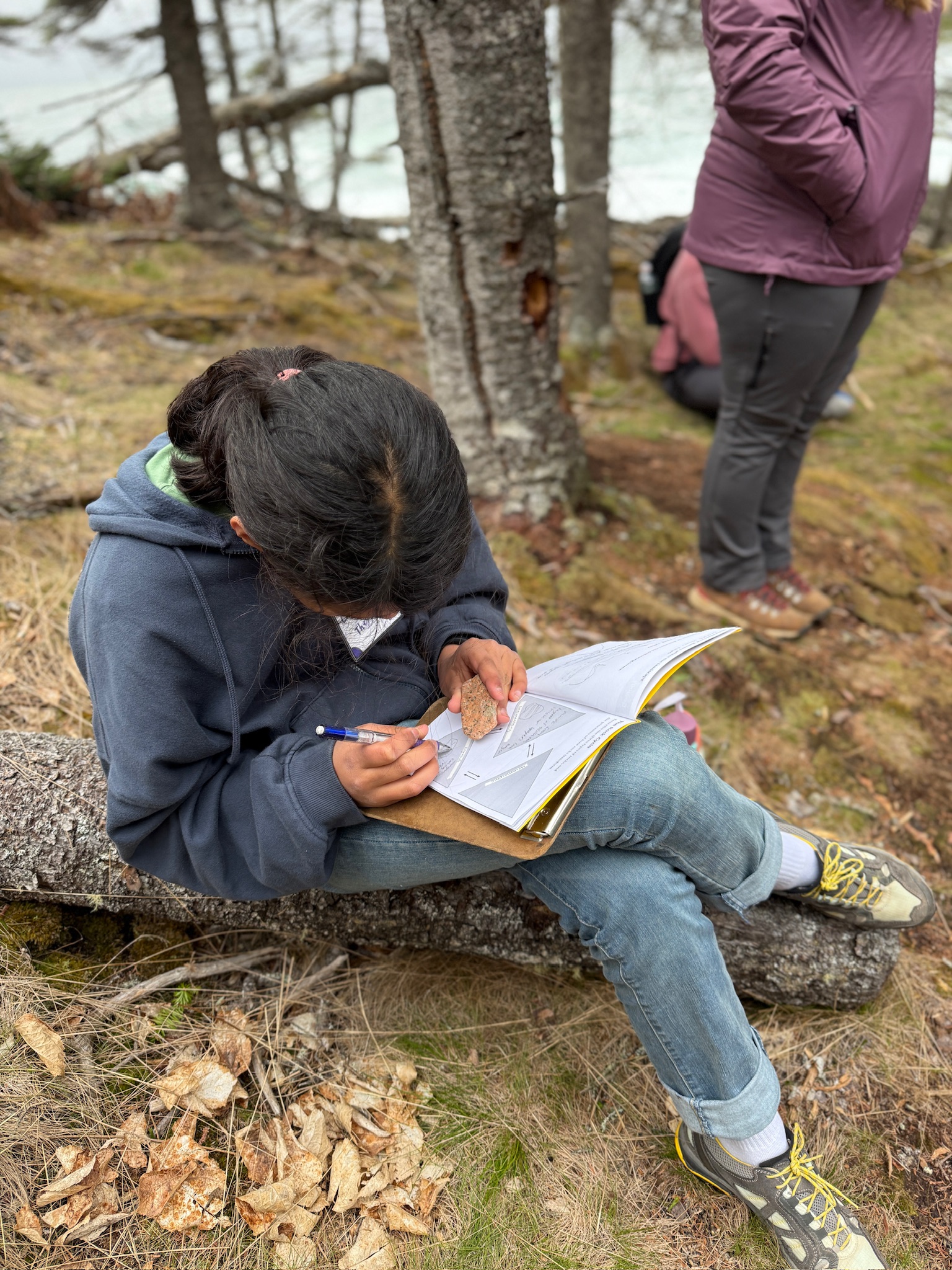
Vocabulary and concepts studied on our hike included: rock cycle, sedimentary, metamorphic, igneous, volcanic, intrusive magma, extrusive igneous rock, glacier, glacial erratic, moraine, till, concentric gouge, glacial polish, striation, mineral, shoreline processes, sorting by wave energy, sea arch, sea cave, clay – boulder scale (sediment sizes), and Stoss and Lee topography.
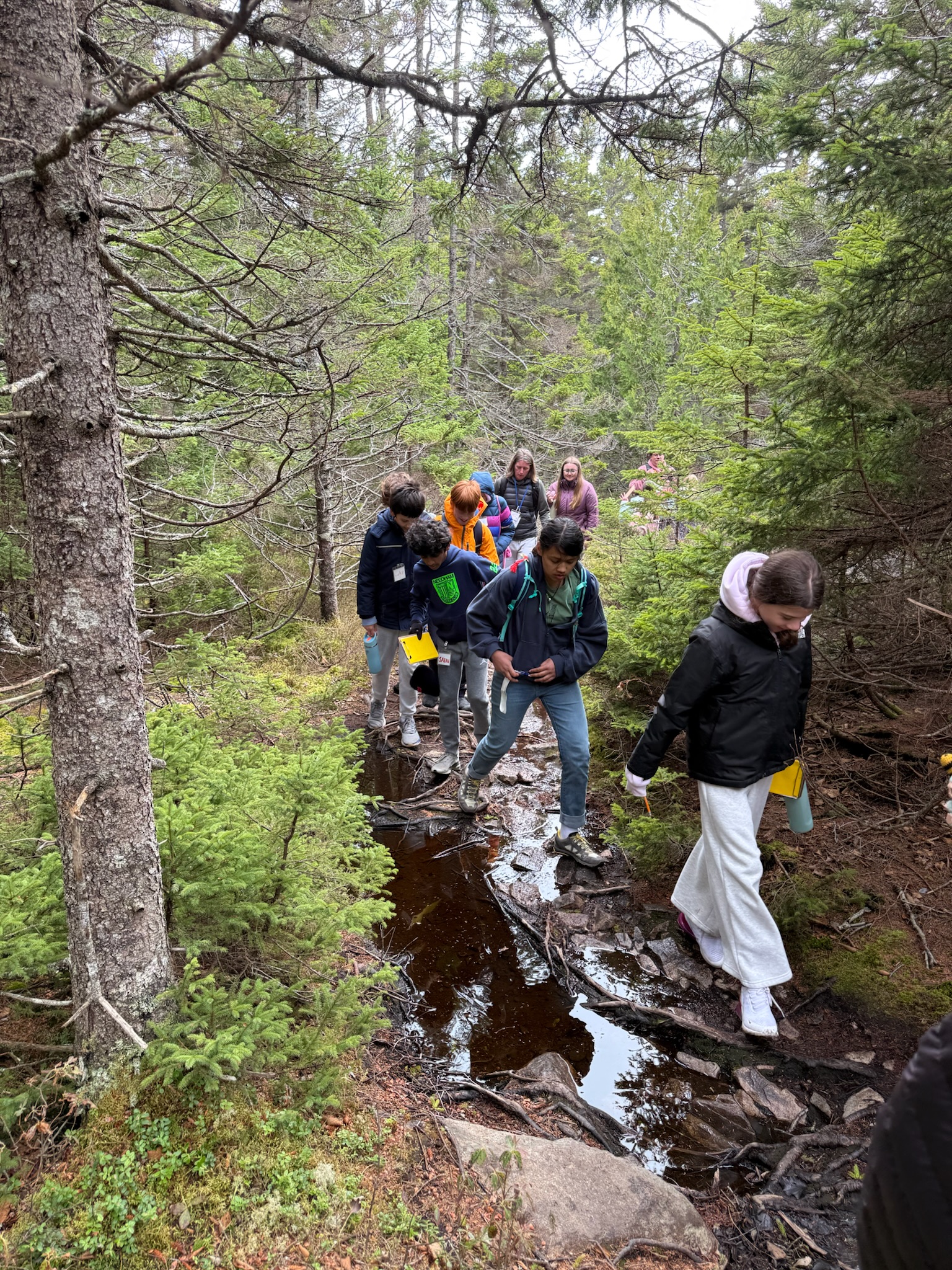
Student observations included:
“I didn’t realize the impact glaciers had on the Maine coastal environment!”
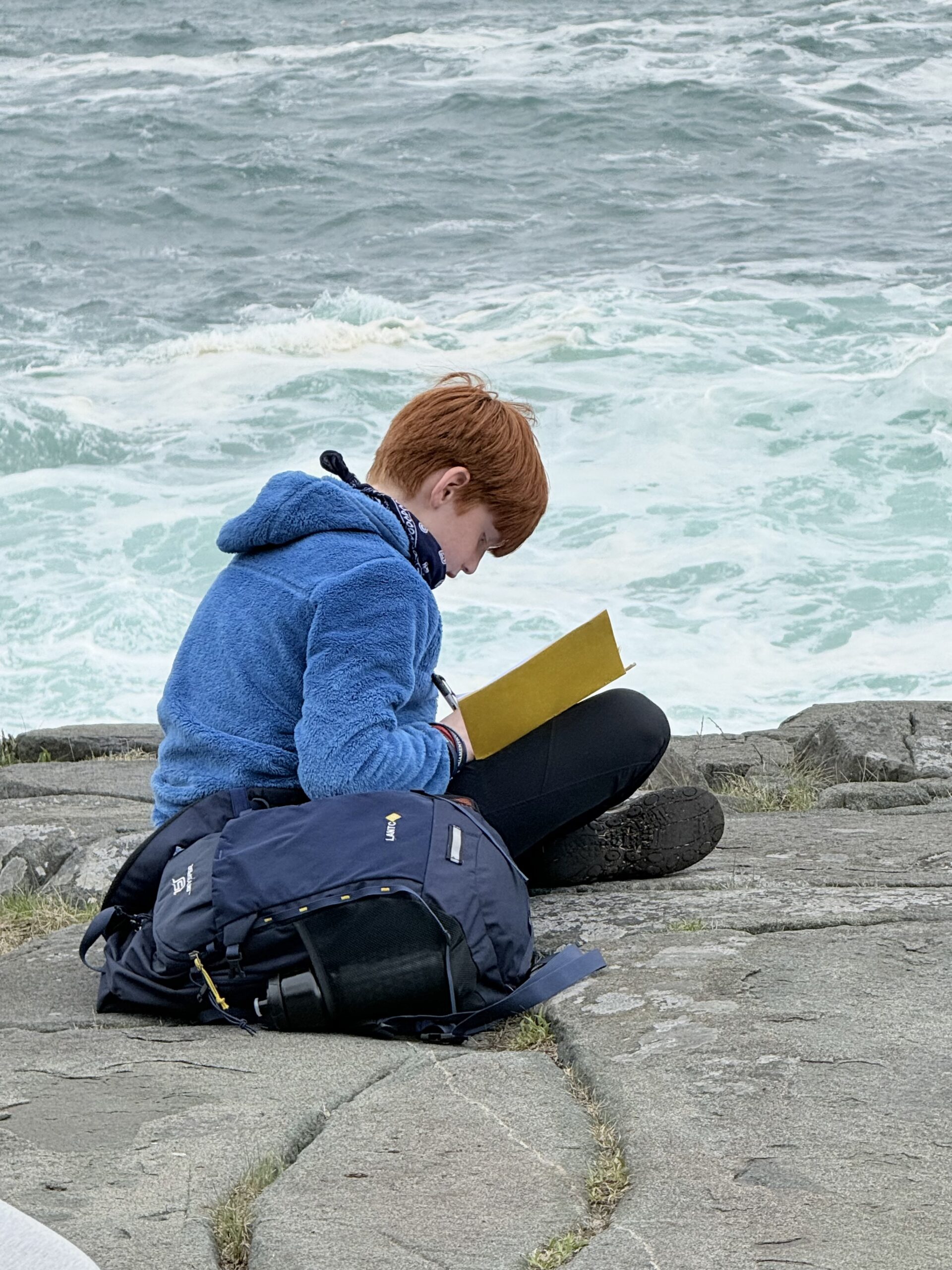
and “Forces of nature really shaped the coastline of Maine.”
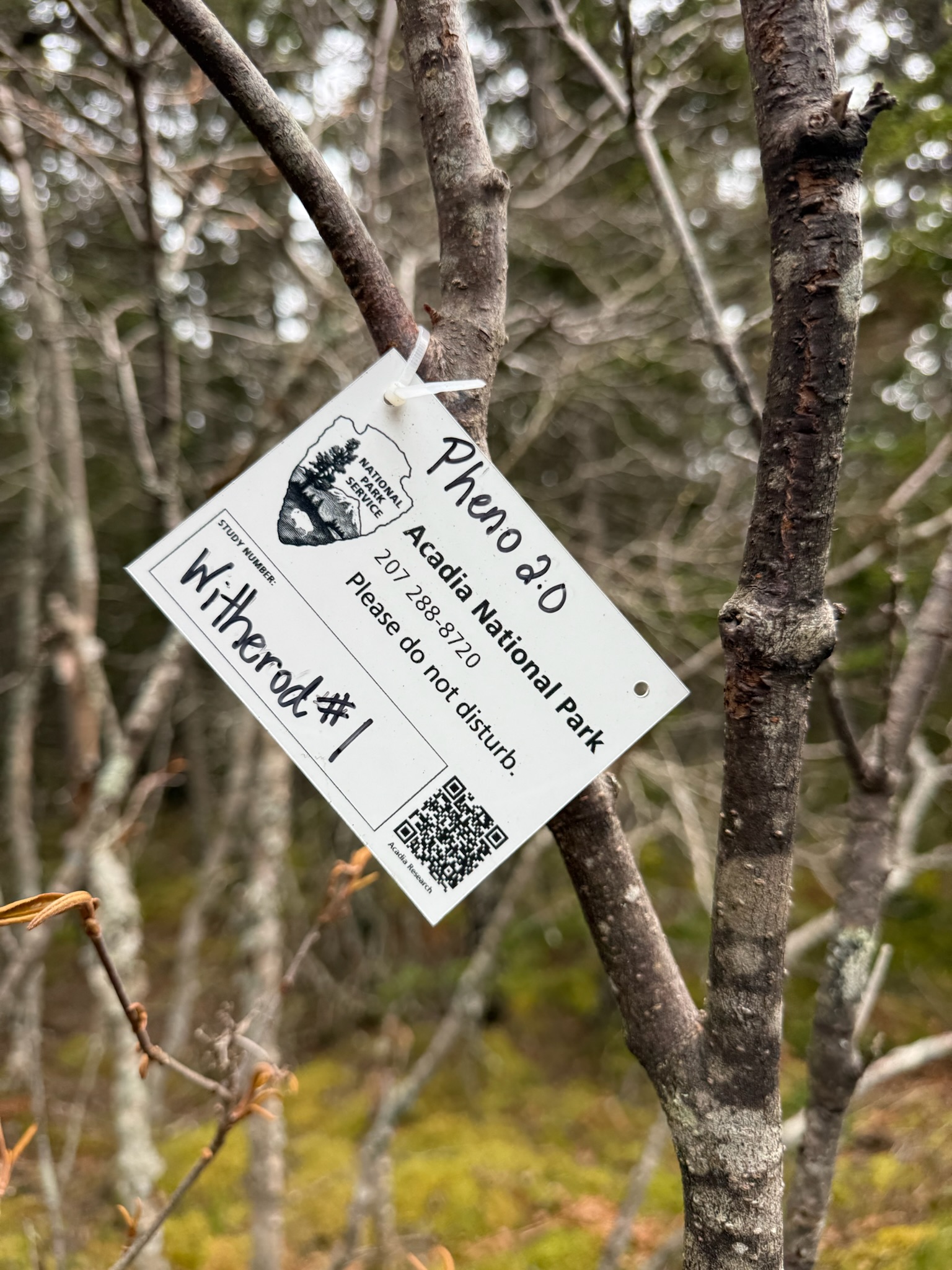
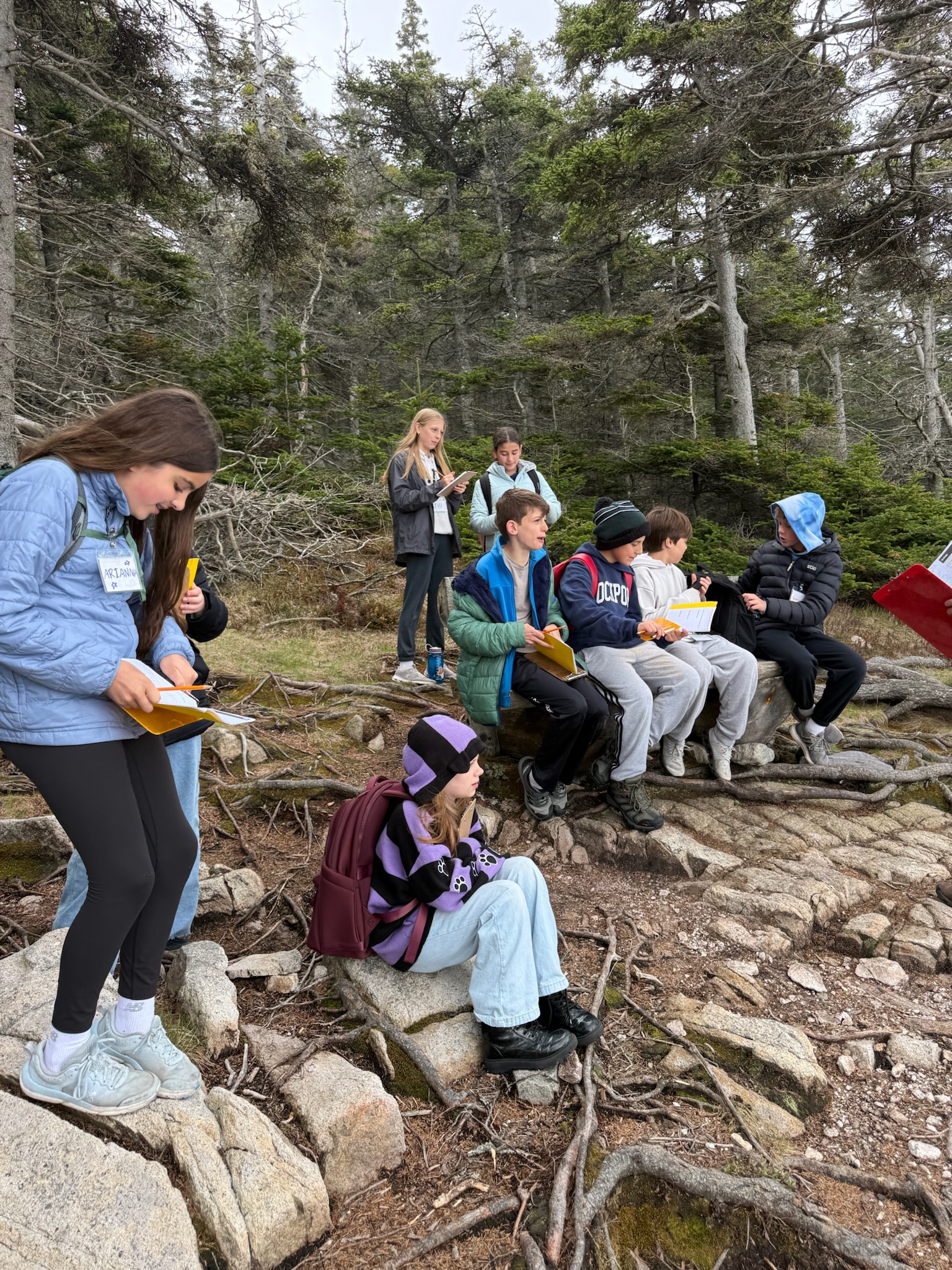
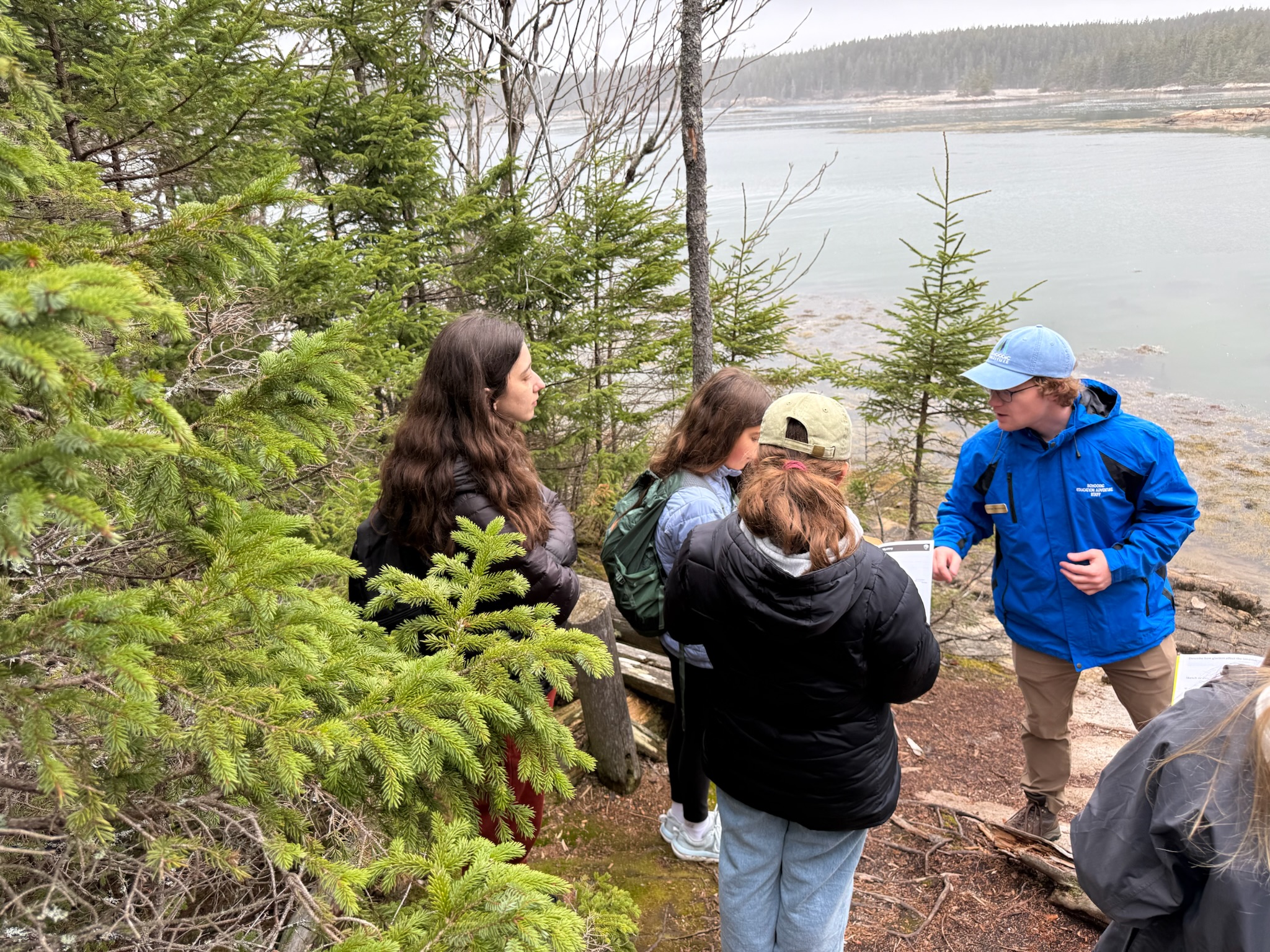
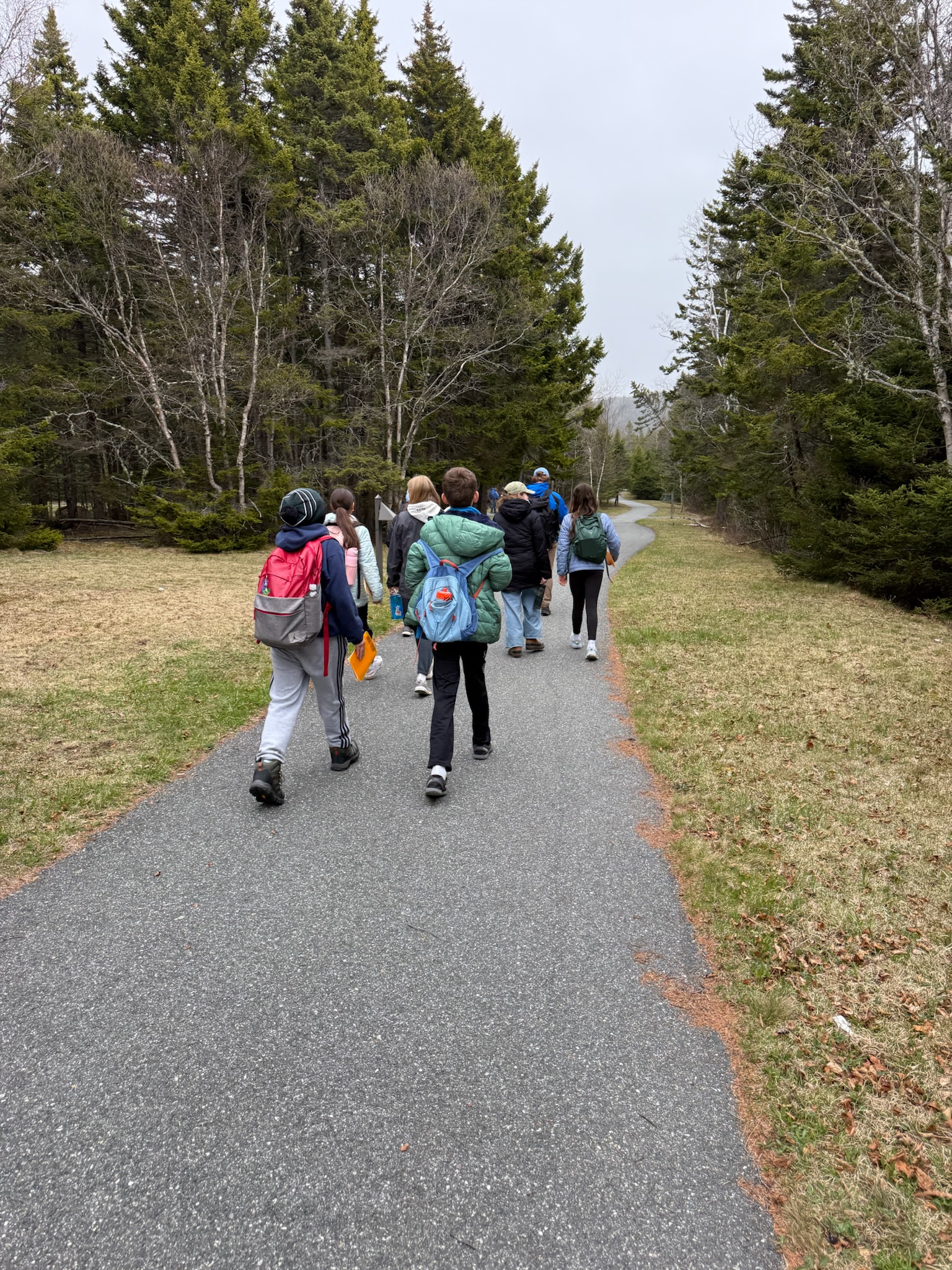
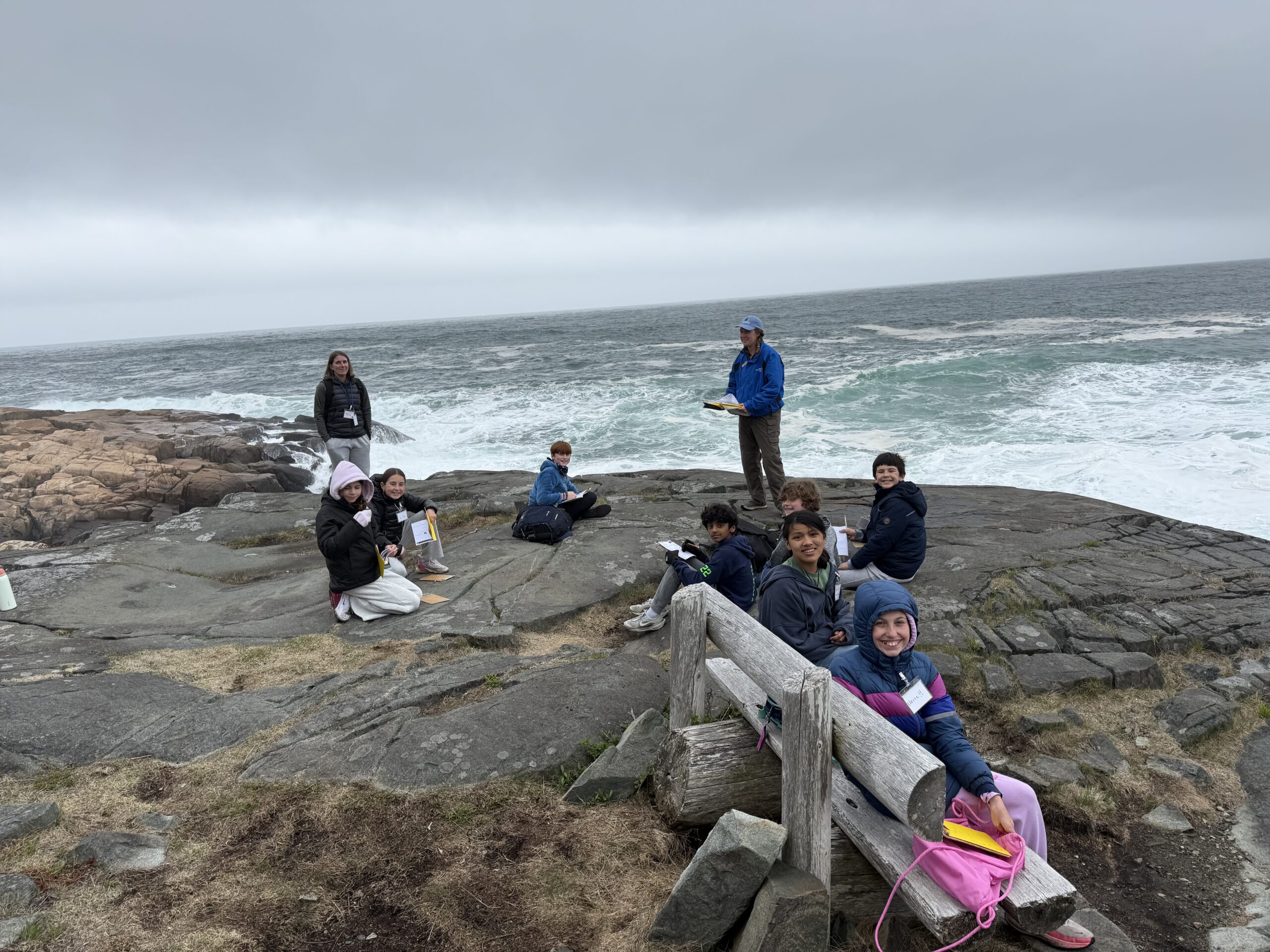
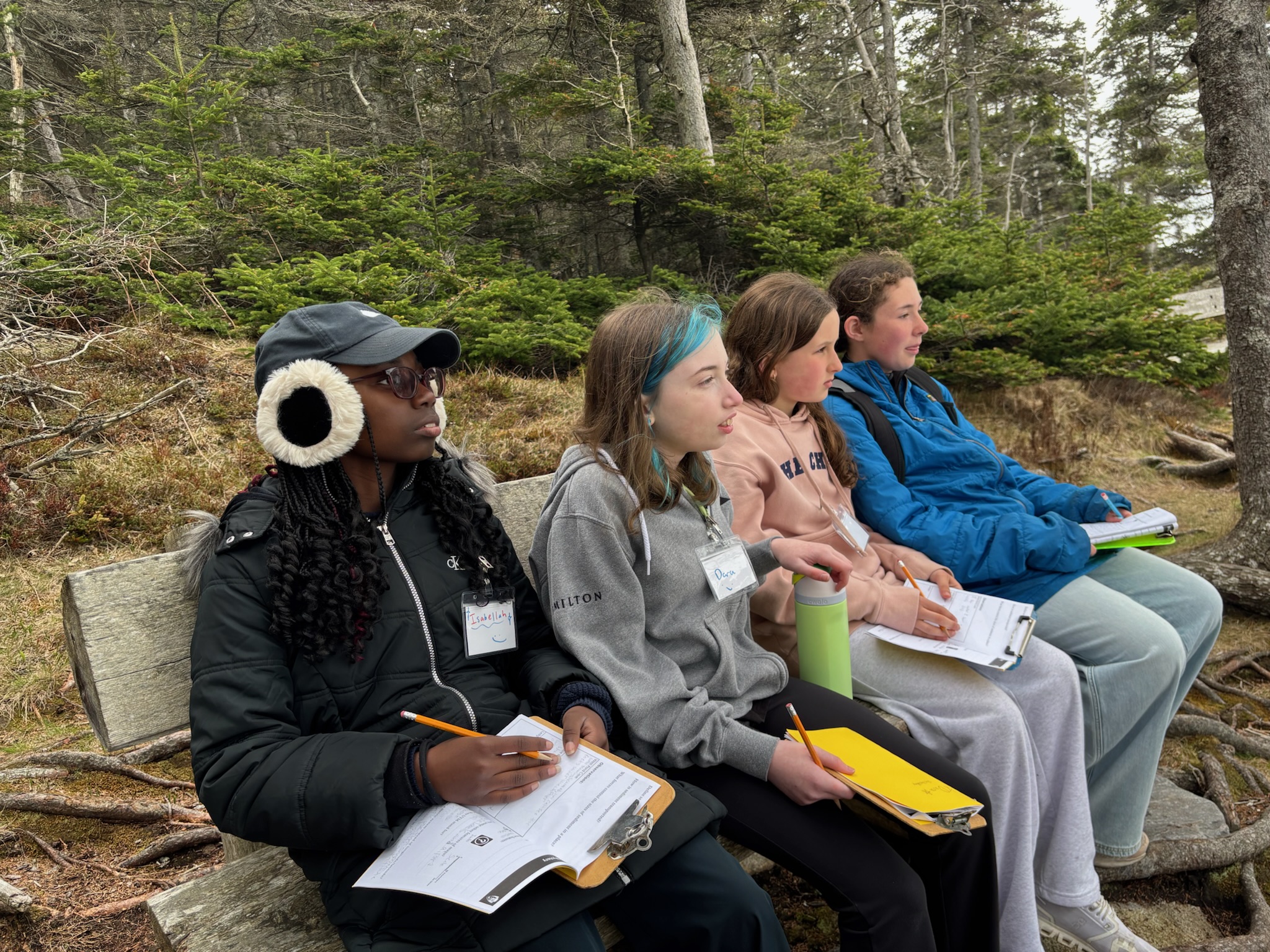
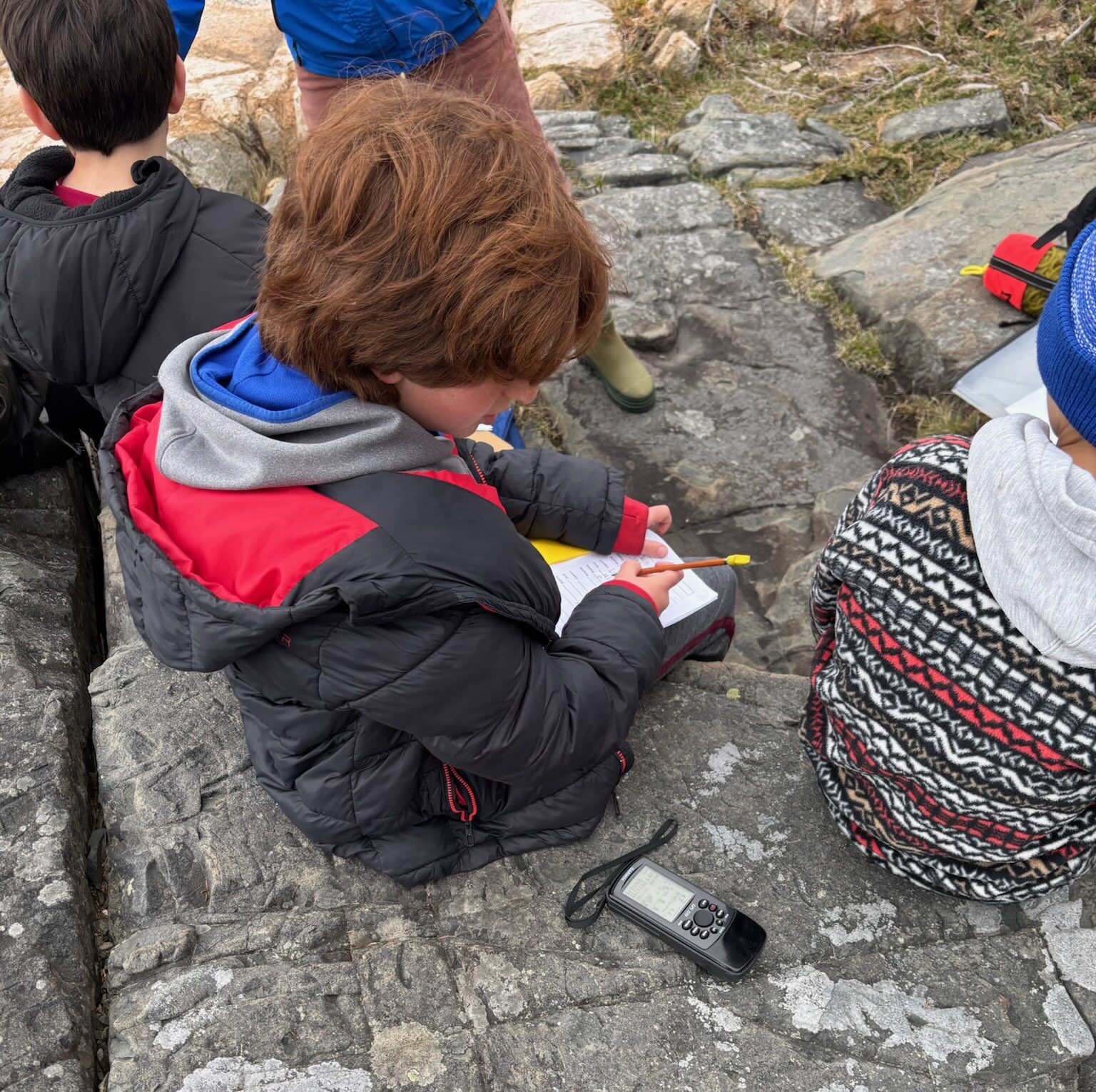
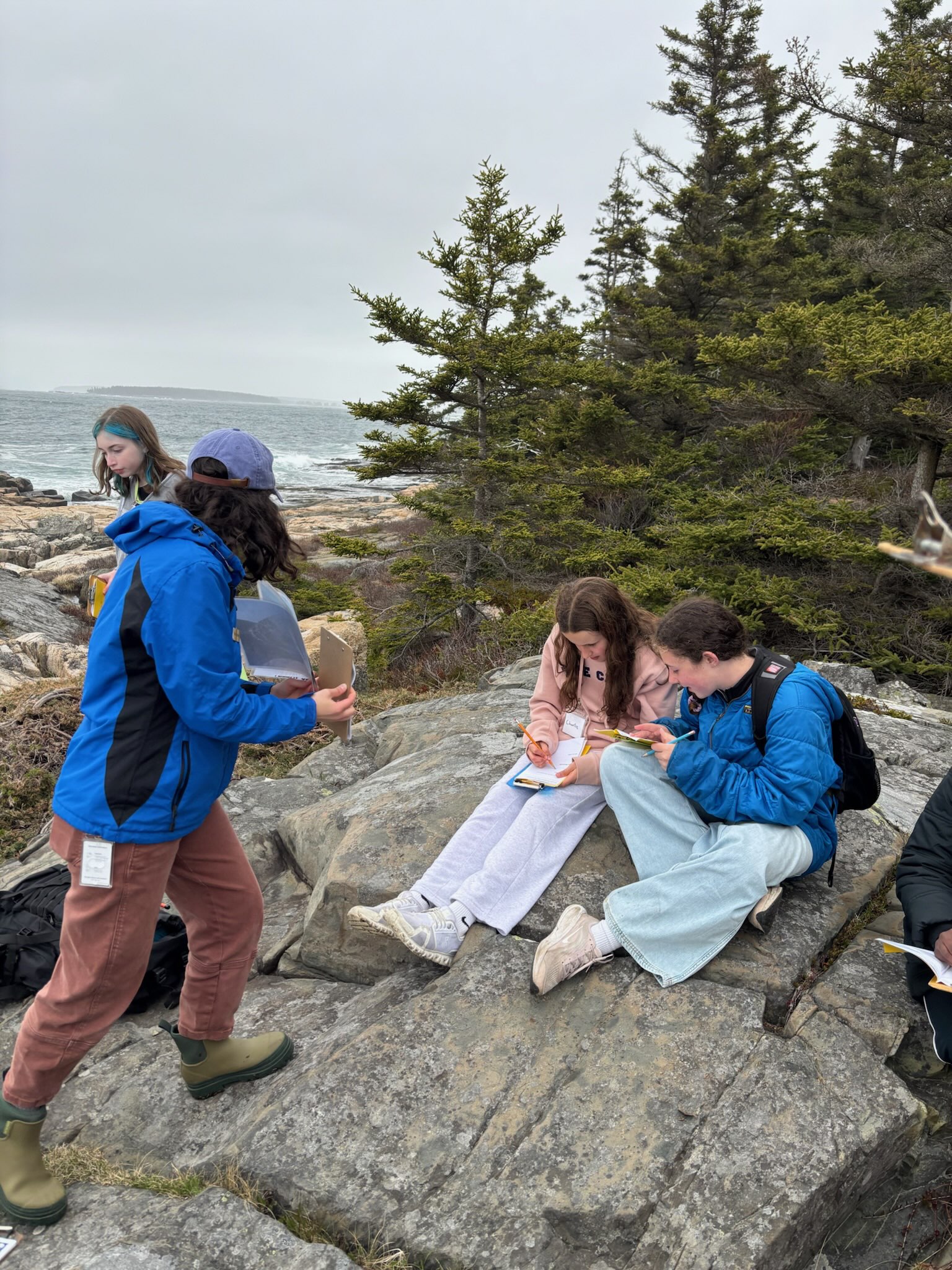
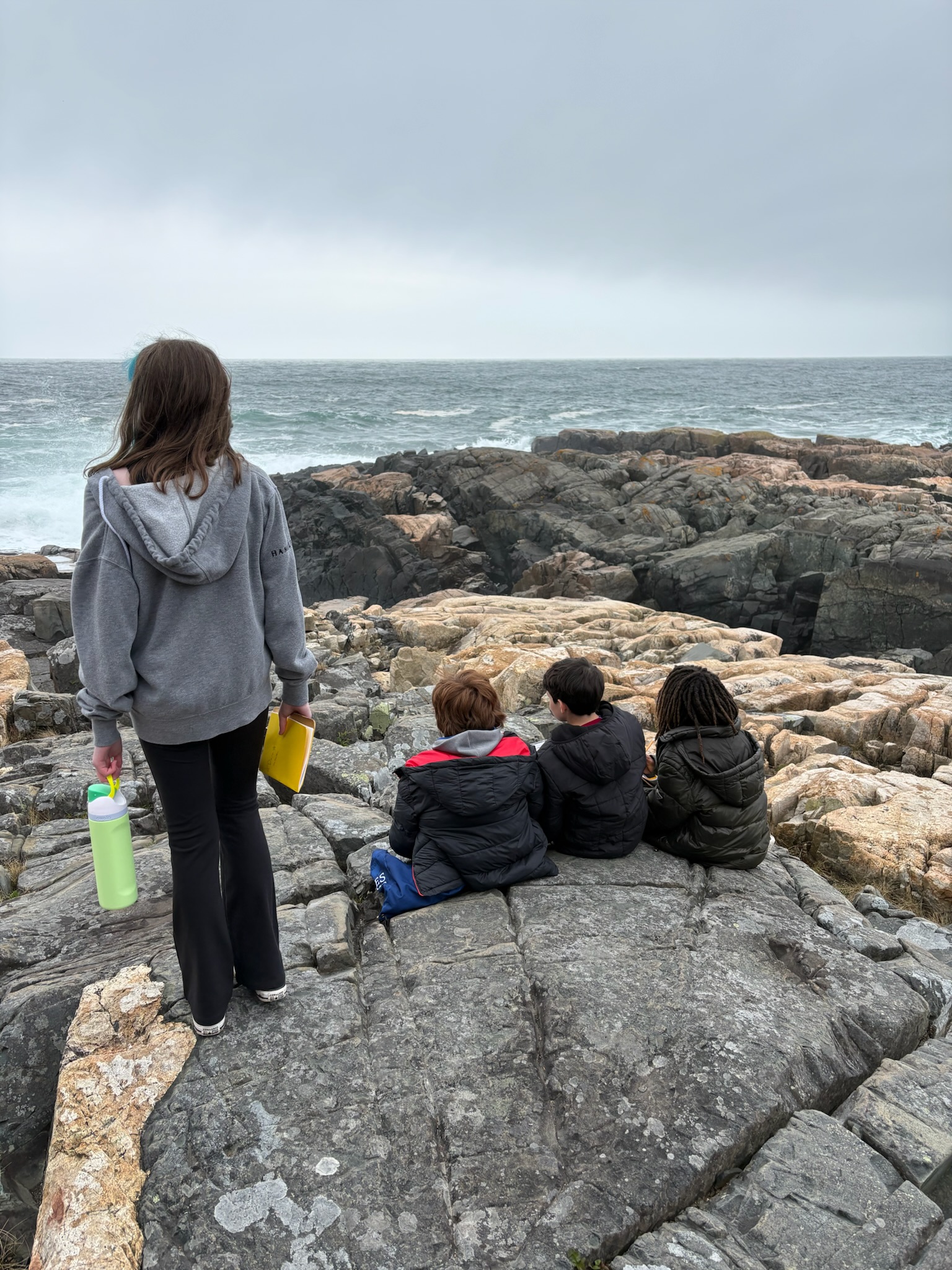
After our hike, we enjoyed some down time to reflect about our observations and experiences. We captured memories and experiences in our journals.
Dinner was devoured in the on-site cafeteria where we will be enjoying our meals. Tonight we had tacos and churros for dessert. Yum!
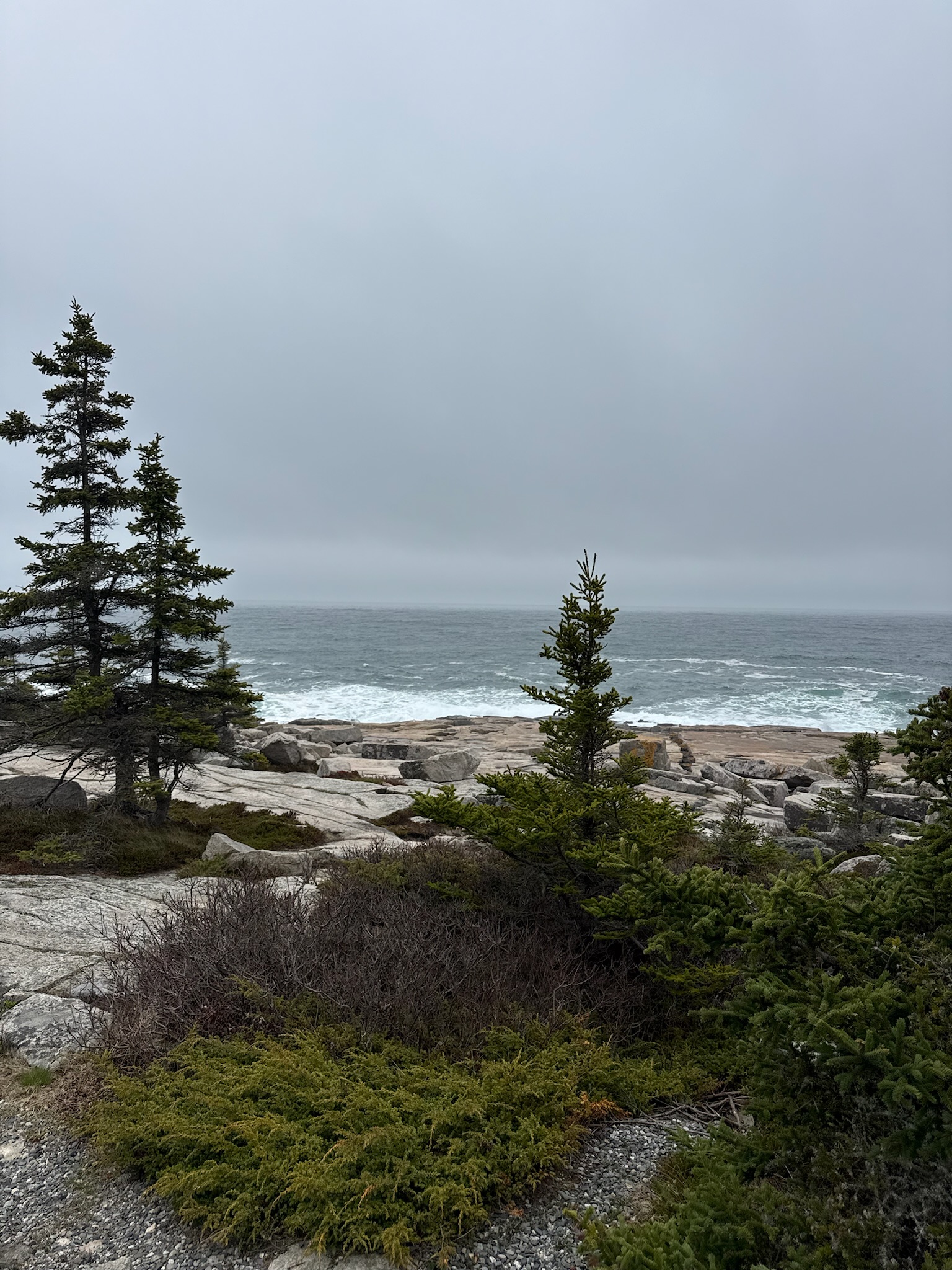
It is chilly here, but absolutely beautiful.
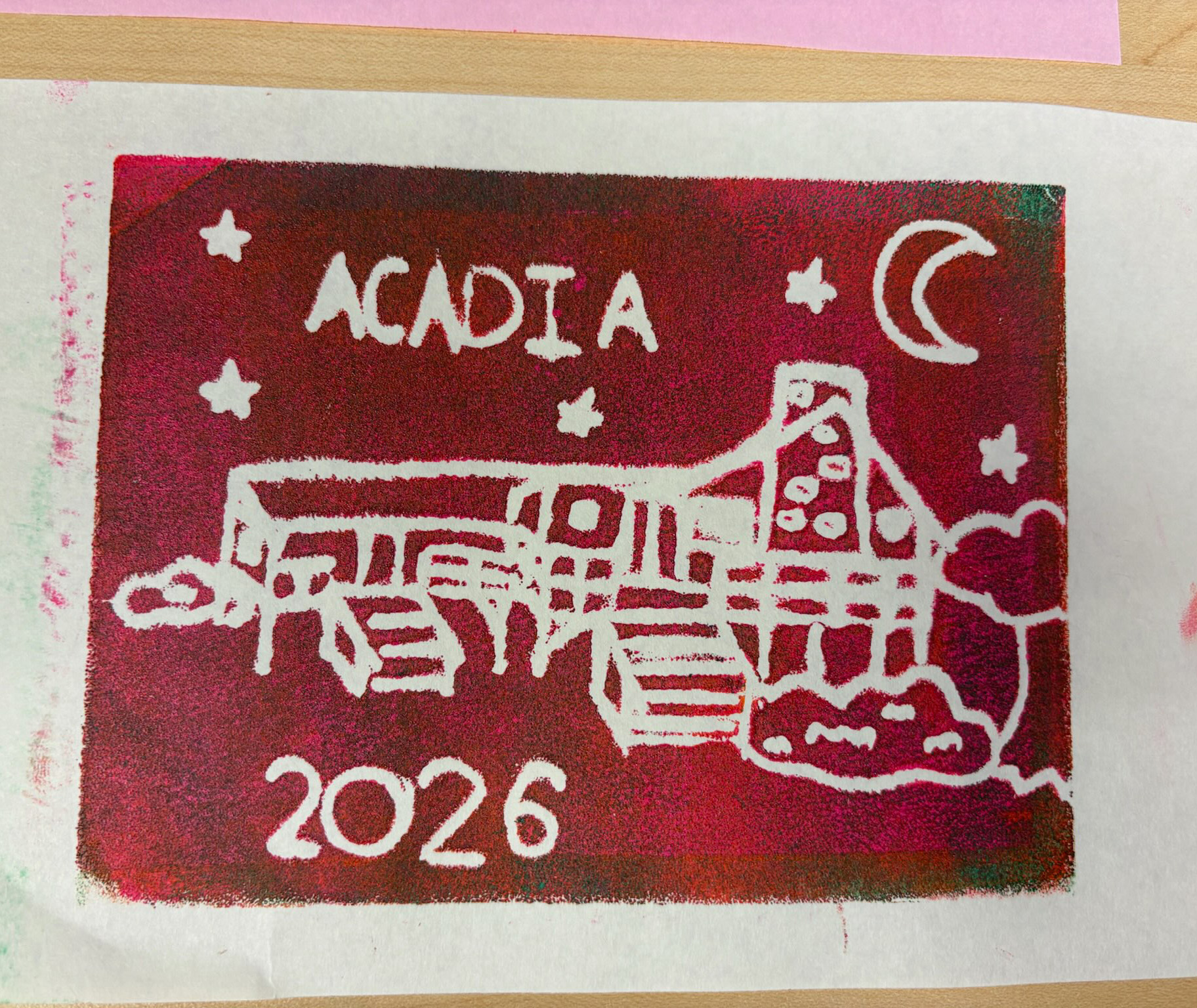
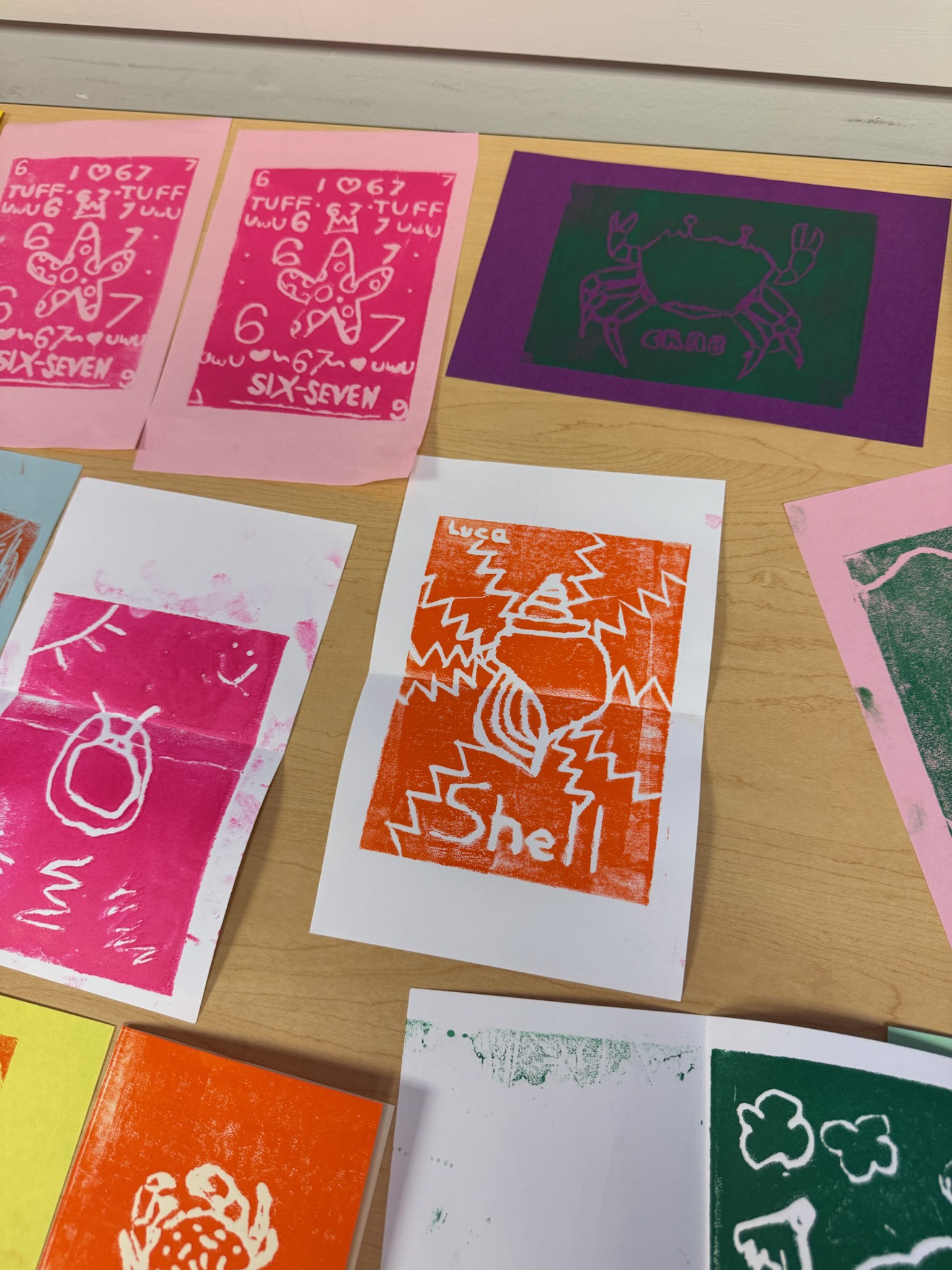
After dinner, we ended a great first day with an interactive art program: print making!
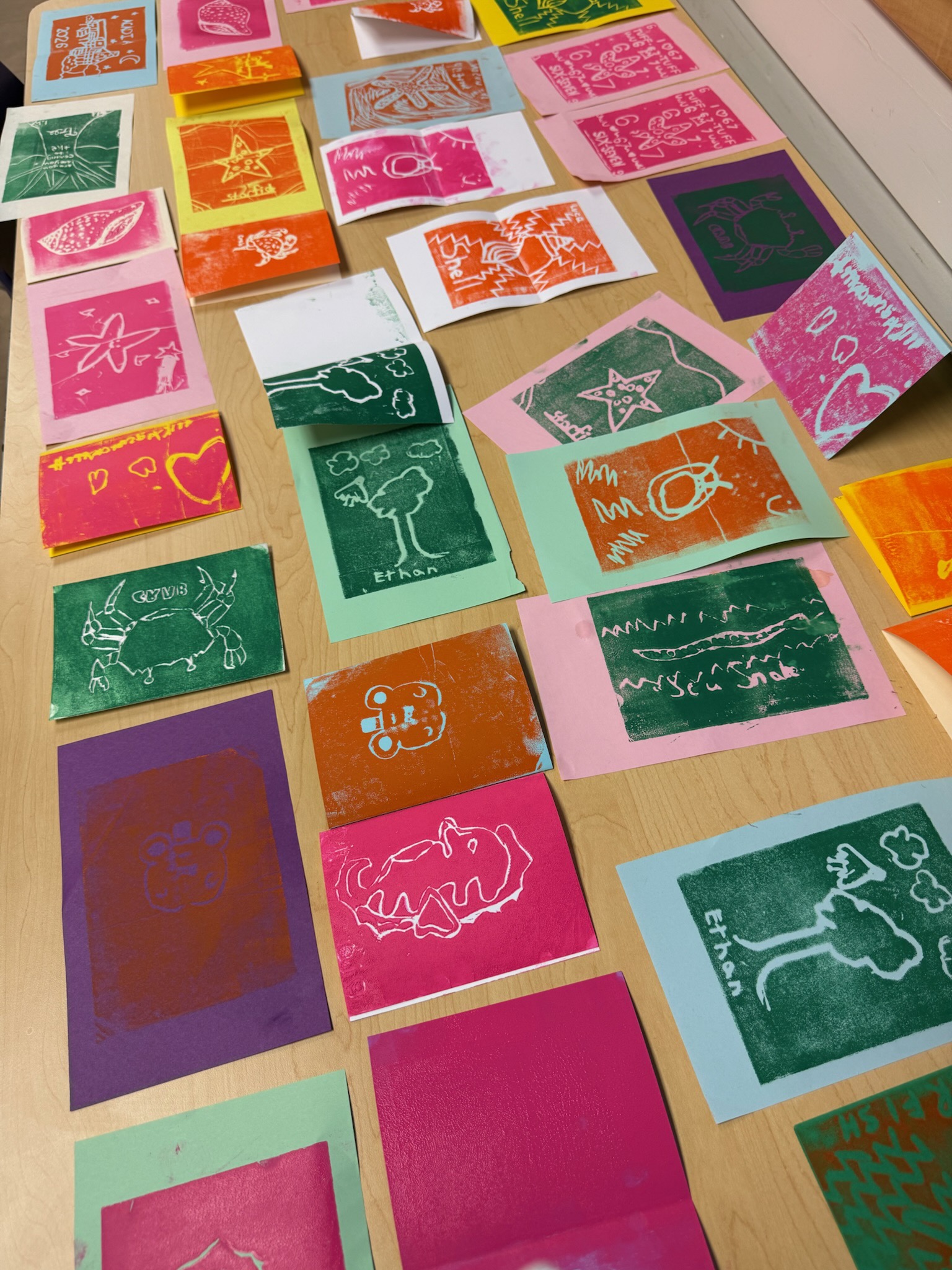
Each student carved a shape they saw today or something from nature that is meaningful to them and created colorful prints.
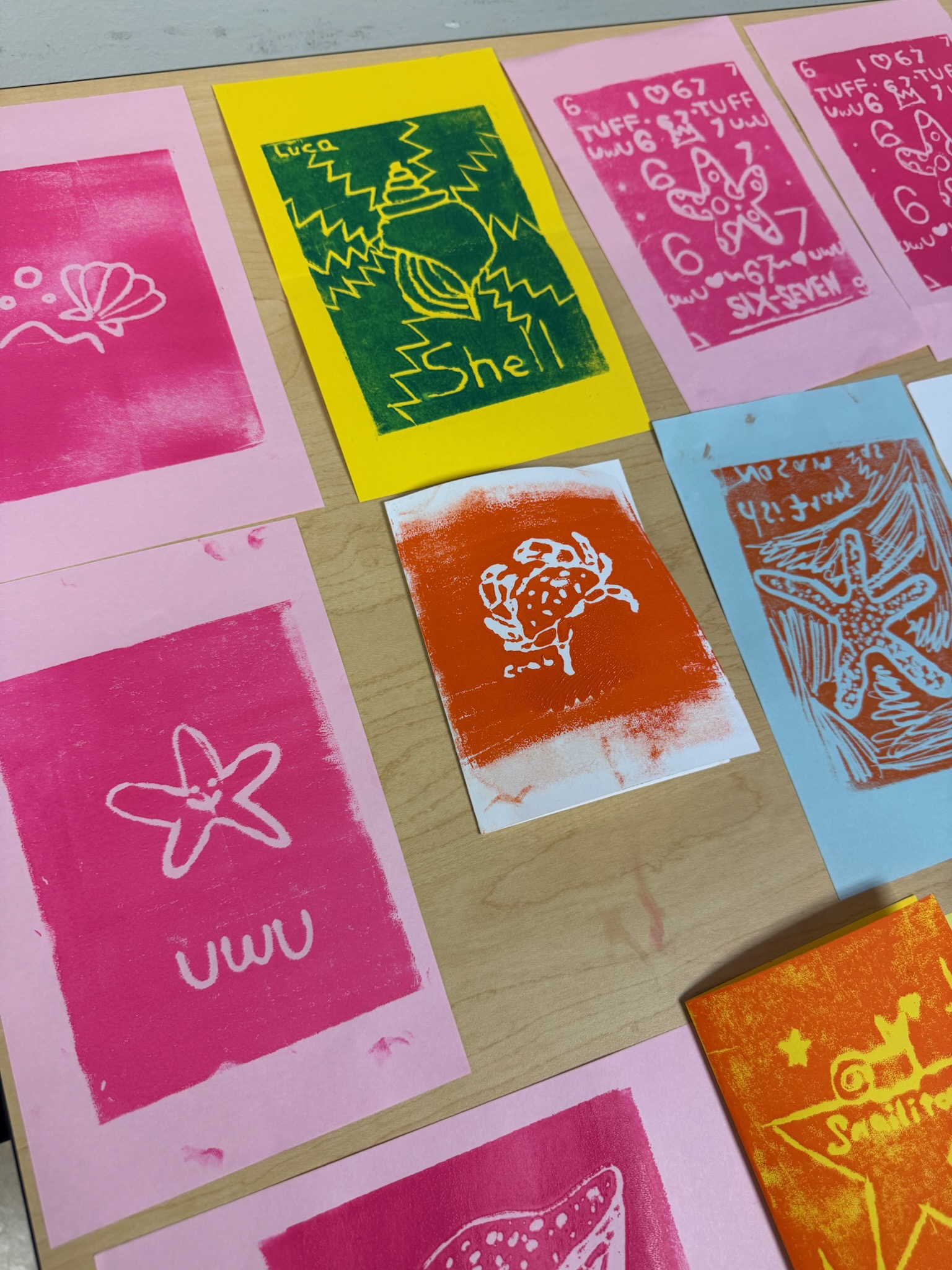
It was the perfect way to wind down and build community with one another and student advisors.
We capped off a fantastic first day together in the bunkhouse and prepared for day 2.